Table of Contents
ToggleWhy Is My Cat Meowing So Much? Understanding Your Cat's Behavior
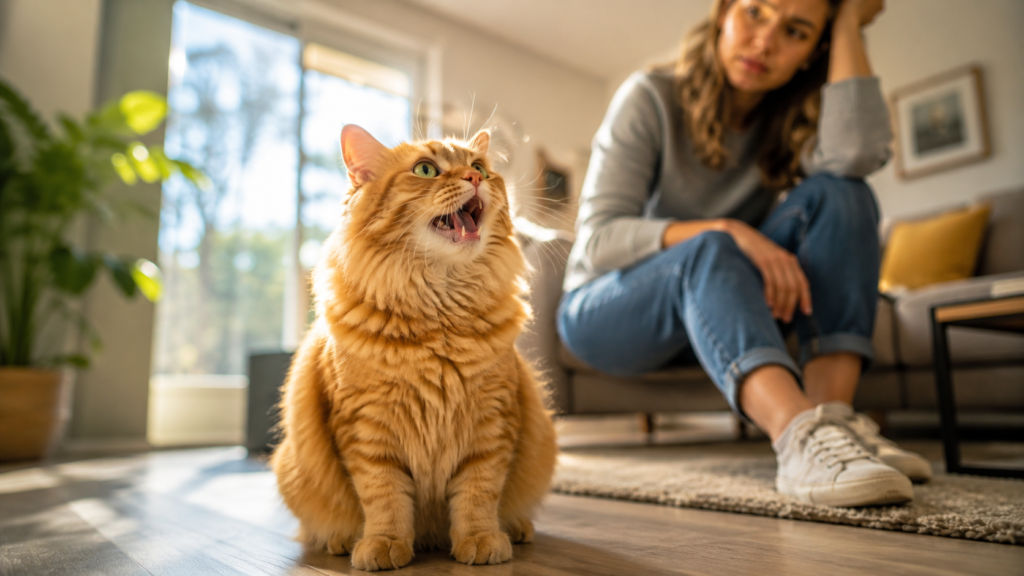
Has your cat suddenly become extra vocal? Maybe they’re meowing at night, following you around the house, or crying for no obvious reason. While some cats are naturally more talkative than others, excessive meowing often means your cat is trying to tell you something.
If you’ve been asking yourself, “Why Is My Cat Meowing So Much?” you’re not alone. Many cat owners notice sudden changes in their cat’s vocal behavior and wonder what’s causing it.
Cats don’t meow to communicate with other cats—they mainly meow to communicate with humans. Understanding the reason behind your cat’s behavior can help you meet their needs and, in some cases, identify health problems before they become serious.
In this guide, we’ll explore 12 common reasons why cats meow excessively and what you can do about it.
1. Your Cat Is Hungry
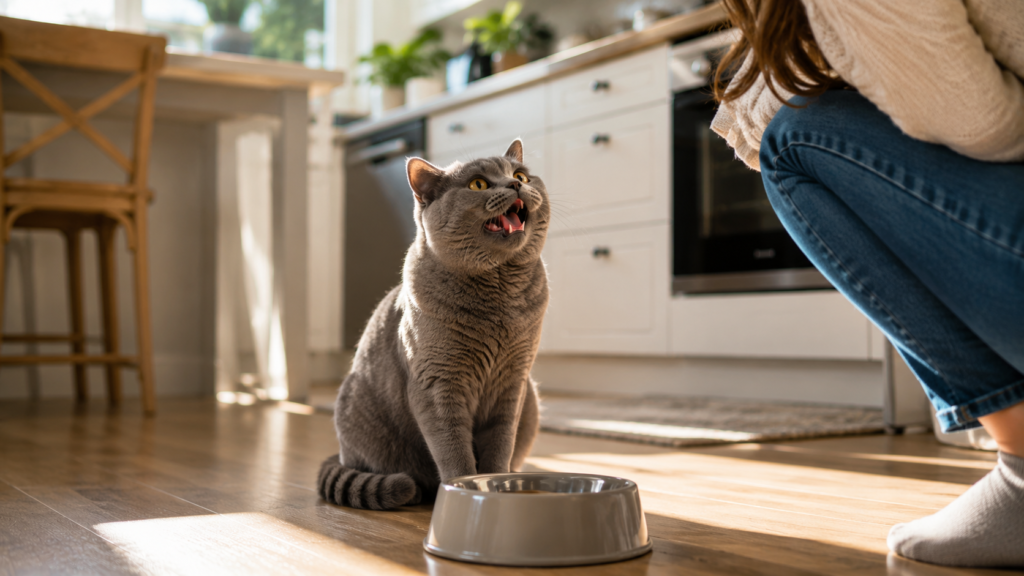
One of the most common reasons cats meow is simple—they want food.
Many cats quickly learn that meowing gets your attention, especially if you’ve previously rewarded the behavior with treats or meals.
Signs
- Meowing near the food bowl
- Following you into the kitchen
- Meowing around feeding time
Solution
Feed your cat on a consistent schedule instead of responding to every meow. Automatic feeders can also help reduce food-related begging.
2. Your Cat Wants Attention
Cats may seem independent, but they still crave affection and interaction.
If you’ve been busy or away from home, your cat may meow simply because they want you to spend time with them.
Solution
Spend at least 15–20 minutes each day playing with your cat using interactive toys. Regular attention can significantly reduce attention-seeking meowing.
3. They're Bored
If you’re still wondering why is my cat meowing so much, boredom could be one of the biggest reasons.
Indoor cats can become bored without enough mental and physical stimulation.
A bored cat may meow, scratch furniture, or become destructive.
Solution
Provide:
- Cat trees
- Puzzle feeders
- Interactive toys
- Window perches
- Daily play sessions
Rotating toys every few days also keeps things interesting.
4. They're Greeting You
Some cats simply enjoy saying hello.
If your cat meows when you arrive home or wake up in the morning, they’re likely greeting you.
This type of meowing is completely normal and usually nothing to worry about.
Cats dislike sudden changes in their environment.
Common stress triggers include:
- Moving to a new home
- New pets
- Loud noises
- Visitors
- Changes in routine
Solution
Maintain a consistent routine and provide safe hiding places where your cat can relax.
6. Your Cat Is in Heat
For many pet owners asking, “Why Is My Cat Meowing So Much?”, hormonal changes are often the answer.
If your female cat hasn’t been spayed, she may become extremely vocal while in heat.
Signs include:
- Loud yowling
- Increased affection
- Rolling on the floor
- Attempting to escape outdoors
Solution
Talk to your veterinarian about spaying your cat if you don’t plan to breed her.
7. Aging and Cognitive Decline
Senior cats sometimes meow more due to age-related cognitive changes.
They may appear confused, especially at night.
Solution
Keep furniture in familiar locations, provide night lights, and schedule regular veterinary checkups.
8. They're Sick or in Pain
Excessive meowing can sometimes signal an underlying medical problem.
Possible causes include:
- Dental pain
- Arthritis
- Urinary tract infections
- Hyperthyroidism
- High blood pressure
Warning Signs
- Loss of appetite
- Weight loss
- Vomiting
- Hiding
- Lethargy
If these symptoms accompany excessive meowing, contact your veterinarian promptly.
9. They're Looking for a Mate
Unneutered male cats may meow loudly when they detect a female in heat nearby.
Neutering usually reduces this behavior significantly.
10. They're Trapped or Confused
Cats sometimes accidentally become trapped inside closets, garages, or basements.
They’ll often meow repeatedly until someone helps them.
Always check your home’s hidden spaces if your cat suddenly begins crying.
11. Certain Breeds Are Naturally Vocal
Some breeds are simply more talkative than others.
Examples include:
- Siamese
- Oriental Shorthair
- Bengal
- Burmese
- Turkish Angora
If you own one of these breeds, frequent meowing may simply be part of their personality.
12. They've Learned That Meowing Works
Cats are incredibly intelligent.
If meowing consistently earns them food, treats, or attention, they’ll likely continue doing it.
Solution
Avoid rewarding excessive meowing.
Instead:
- Reward quiet behavior.
- Stick to a consistent routine.
- Give attention before your cat begins demanding it.
When Should You Be Concerned?
Occasional meowing is perfectly normal.
However, you should contact your veterinarian if your cat suddenly becomes much more vocal and also experiences:
- Weight loss
- Difficulty urinating
- Vomiting
- Diarrhea
- Excessive thirst
- Changes in appetite
- Limping
- Confusion
- Aggression
A sudden change in vocalization often deserves a professional evaluation.
How to Reduce Excessive Meowing
Try these practical tips:
- Feed meals on a regular schedule.
- Provide plenty of exercise.
- Enrich your cat’s environment.
- Keep litter boxes clean.
- Schedule annual veterinary exams.
- Avoid rewarding attention-seeking meows.
- Maintain a consistent daily routine.
Remember, never punish your cat for meowing. Instead, identify the underlying cause and address it appropriately.
Frequently Asked Questions
Nighttime meowing can result from boredom, hunger, aging, anxiety, or medical conditions. Increasing daytime activity often helps reduce nighttime vocalization.
If your cat is healthy and simply seeking attention, ignoring excessive meowing while rewarding quiet behavior can help break the habit. However, never ignore sudden or unusual meowing without first ruling out medical issues.
No. Many healthy cats are naturally vocal. However, sudden changes in your cat’s behavior should always be monitored closely.
Your cat may be asking for food, attention, playtime, or simply enjoying your company.

Final Thoughts
If you’ve been wondering, “Why Is My Cat Meowing So Much?”, remember that excessive meowing is your cat’s way of communicating. By identifying the cause and responding appropriately, you can improve your cat’s health and strengthen your bond.
Excessive meowing is your cat’s way of communicating, not misbehaving. Whether they’re hungry, bored, stressed, or trying to alert you to a health issue, understanding the reason behind the behavior is the first step toward finding the right solution.
By observing your cat’s daily routine, providing plenty of enrichment, and scheduling regular veterinary checkups, you can help ensure they stay healthy, happy, and comfortable. And if your cat’s meowing suddenly changes or is accompanied by other concerning symptoms, don’t hesitate to seek professional veterinary advice.
Listening to your cat is one of the best ways to strengthen the bond you share.