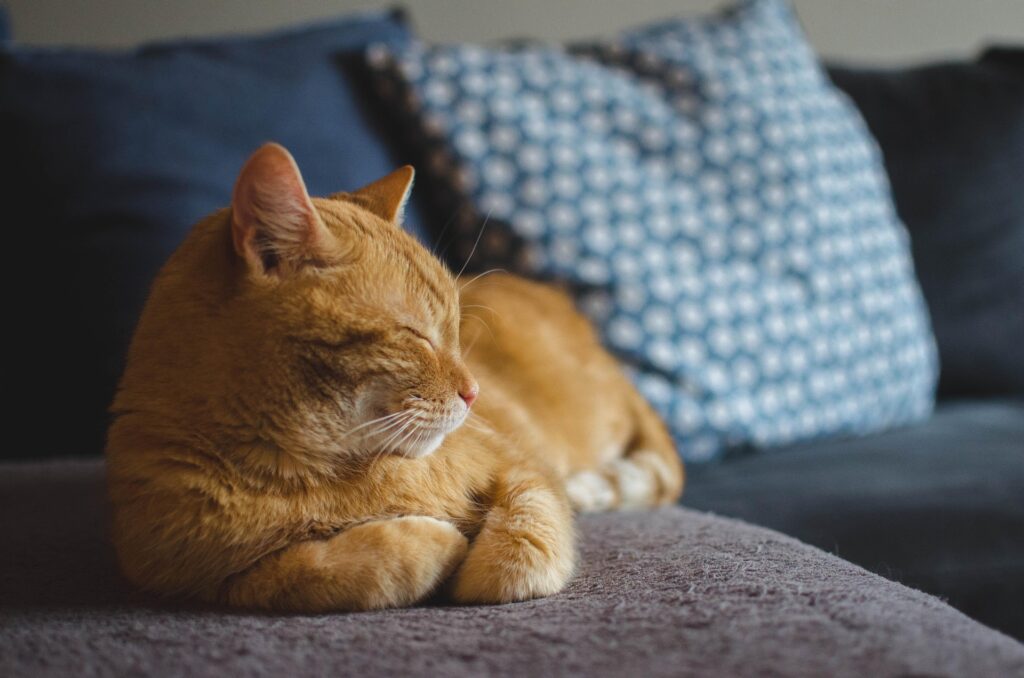
If you’re a cat enthusiast, you might be wondering what to feed your cat to keep it healthy and fit. This article, “The Best Cat Food for Indoor Cats,” is perfect for you. In this article, we’ve discussed the best cat food for your indoor cat, ensuring it stays happy and healthy.
Indoor cats typically lead a different lifestyle than outdoor cats. They spend most of their time indoors, get less exercise, and often have different nutritional needs. Therefore, choosing the right food for their cat’s health is a complex task for cat owners.Choosing the best food for indoor cats is one of the most important decisions you’ll make as a cat owner.A healthy diet can help your indoor cat maintain a healthy weight, improve digestion, reduce hairballs, and maintain overall health. In this guide, we’ll explain everything you need to know about feeding your indoor cat and recommend some of the best food options available today.
Table of Contents
ToggleWhy Indoor Cats Need Special Food
Unlike outdoor cats, indoor cats expend fewer calories because they are less active. This means they are more likely to gain weight if they eat food formulated for highly active cats.Foods formulated for indoor cats are specifically formulated to:• Supporting healthy weight management• Reducing hair growth• Improving digestion• Maintaining healthy skin and hair• Supporting urinary tract health• Providing balanced nutrition without excess calories
What to Look for in the Best Cat Food for Indoor Cats
Here, it becomes important for you to always check the ingredients list and nutritional information before buying cat food.
High-Quality Protein
Although cats also consume grains, fruits, and dairy products, they are essentially obligate carnivores. This means they require animal-based protein to stay healthy.So, choose foods that include:• Chicken• Turkey• Salmon• Whitefish• DuckIdeally, the first ingredient should be real meat.
Healthy Fiber Content
Indoor cats spend a lot of time grooming themselves, which means they often swallow hair that falls out. Over time, this hair can accumulate in the stomach and form hairballs. Healthy fiber-rich foods can help swallowed hair pass through the digestive tract more easily, reducing the likelihood of hairball problems.Some beneficial fiber-rich ingredients include:• Beet pulp• Pumpkin• Brown rice• Peas Cat food formulated for hairball control can be comforting for your pet, while also supporting healthy digestion and regular bowel movements.
Controlled Calories
Indoor cats often become overweight due to their low activity levels. Therefore, it’s important to limit the calorie intake of their diet to prevent obesity.Obesity leads to weight gain, and excess weight can lead to the following problems:• Diabetes• Joint problems• Heart disease• Reduced lifespan
Essential Fatty Acids
Omega-3 and omega-6 fatty acids contribute to:• Healthy skin• Shiny fur• Immunity
No Artificial Fillers
Avoid foods that contain:• Artificial colors• Artificial flavors• Excessive amounts of corn added• Low-quality meat products
Top 7 Best Cat Foods for Indoor Cats
1. Hill's Science Diet Adult Indoor Cat Food
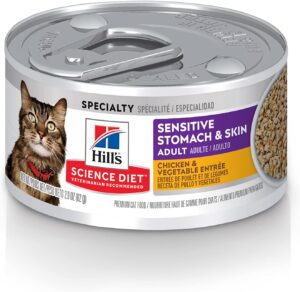
This is a popular formula specifically designed for indoor cats. It offers the following benefits:
- High-quality chicken protein
- Natural fiber to control hairballs
- Helps maintain a healthy weight
Best suited for: Adult indoor cats aged 1-7 years.
2. Blue Buffalo Tastefuls Indoor Cat Formula
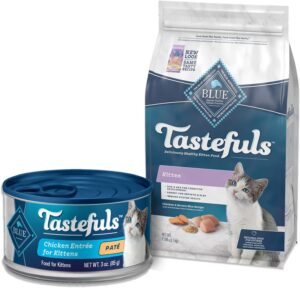
Blue Buffalo offers superior nutrition, with real chicken as the main ingredient.
Benefits:
- Real meat protein
- No poultry by-product meal
- Rich in antioxidants
Best suited for: Cats seeking premium nutrition.
3. Purina ONE Indoor Advantage
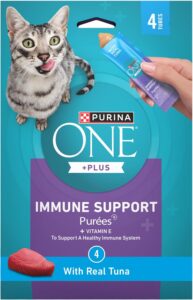
An affordable option with balanced nutrition.
Benefits:
- Economical
- Controls hairballs
- Helps maintain a healthy weight
Best suited for: Families with more than one cat.
4. Royal Canin Indoor Adult Cat Food
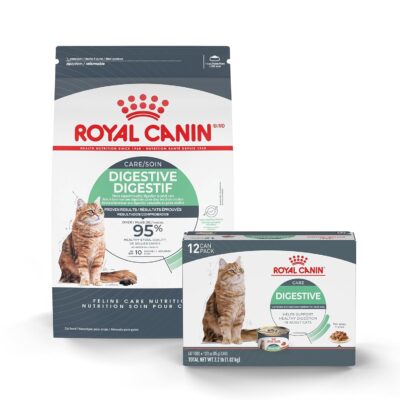
Royal Canin develops formulas tailored to breed and lifestyle.
Benefits:
- Easily digestible protein
- Reduces stool odor
- Helps maintain ideal body condition
Best suited for: Sensitive, indoor cats.
5. Wellness Complete Health Indoor Cat Food
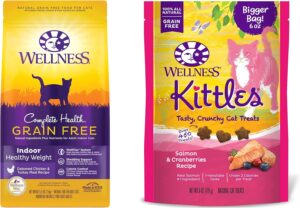
A natural formula with high-quality ingredients.
Benefits:
- Boneless chicken
- Cranberry for urinary health
- No artificial
preservativesBest suited for: Health-conscious pet owners
6. IAMS Proactive Health Indoor Weight & Hairball Care
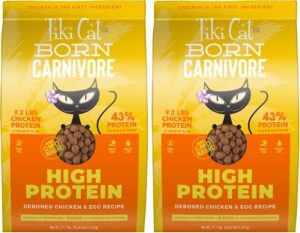
A reliable choice for cats struggling with weight gain.
Benefits:
- Low-calorie formula
- Helps remove hairballs
- High in protein
Best suited for: Overweight, indoor cats.
7. Instinct Original Grain-Free Indoor Cat Food
This premium option focuses on raw food-inspired nutrition.
Benefits:
- High protein
- Grain-free
- Supports lean muscle
Best suited for: Indoor active cats.
Wet Food vs Dry Food for Indoor Cats
Generally, the food given to cats falls into two categories: wet food and dry food. Many cat owners are curious to know whether wet food or dry food is better.
Benefits of Wet Food
- High moisture content
- Replenishes the body’s water levels
- Easy to chew
- Supports urinary tract health
Benefits of Dry Food
- More economical
- Convenient storage
- Promotes dental health
- Allows for easy, uninterrupted eating
Best Approach
Many veterinarians recommend feeding a mixture of wet and dry food for balanced nutrition.
How Much Should You Feed an Indoor Cat?
The correct amount of food for indoor cats depends on the following factors:
- Age
- Weight
- Activity level
- Health status
generally
Cat Weight Daily Calories
8 lbs 180–220 calories
10 lbs 200–250 calories
12 lbs 240–300 calories
Always follow the feeding instructions on the packet and consult your veterinarian if necessary.
Common Feeding Mistakes
Overfeeding : Indoor cats often gain weight because their owners feed them excessive amounts of food.
Free Feeding All Day : Having food available around the clock can lead to a habit of overeating.
Not Providing Fresh Water : Even cats that eat wet food need a constant supply of clean water.
Sudden Food Changes : Gradually change the diet over 7–10 days to avoid digestive issues.
Signs Your Cat Is Eating the Right Food
A healthy domestic cat should exhibit the following characteristics:
- Shiny fur
- Healthy weight
- Stable energy levels
- Regular bowel movements
- Bright eyes
- Good appetite
If your cat experiences issues such as vomiting, diarrhea, excessive hair loss, or sudden weight changes, consult your veterinarian.
Frequently Asked Questions
Hill’s Science Diet, Royal Canin Indoor, Blue Buffalo Indoor Formula, and Wellness Complete Health are among the best options for indoor cats.
Not necessarily. Many cats do well with grains. Grain-free diets are only needed if recommended by a veterinarian.
Most adult cats do well with two meals per day.
Both have benefits. A mix of wet and dry food often provides the best balance.
Yes. Because indoor cats are less active, they are more prone to weight gain than outdoor cats.
Final Thoughts
Choosing the best cat food for indoor cats can make a significant difference in your pet’s health and happiness. Look for high-quality protein, balanced calories, fiber for hairball control, and essential nutrients for overall well-being.
Every cat is unique, so you may need to try a few options before finding the right one. With proper nutrition, your indoor cat can lead a long, healthy, and more active life.