Is Your Cat Food Really Safe?
When you buy cat food, you probably look at the protein source, ingredients, brand reputation and price.
But there’s another questions worth asking about cat food safety:
Is Your Cat Food Safe ?
How is the food tested for unwanted contaminants?
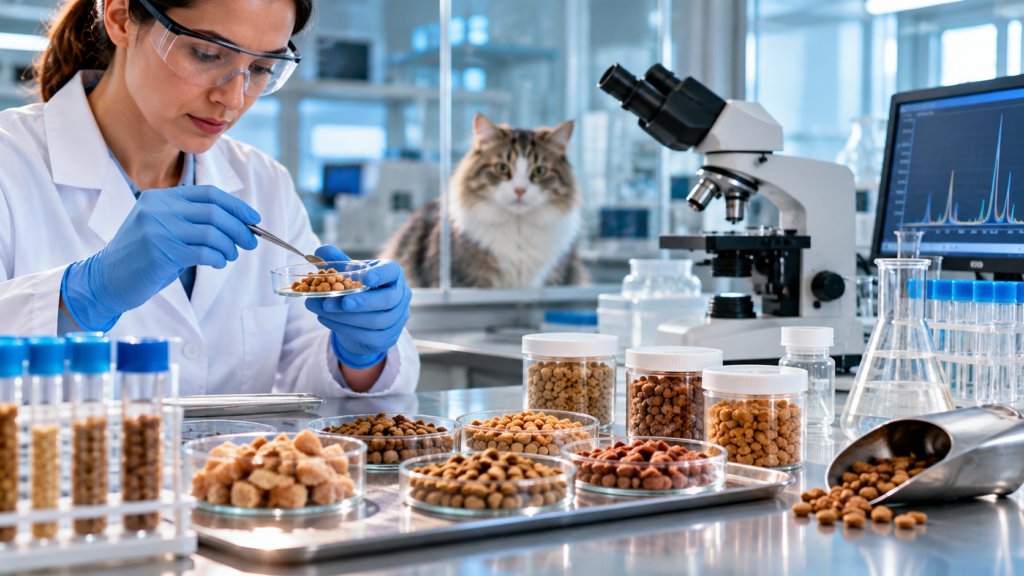
A recent investigation reported by CNN examined 100 top-selling cat food products from 62 brands and tested them for more than 120 contaminants. The testing included heavy metals such as lead, cadmium, arsenic and mercury, along with glyphosate and certain chemicals associated with plastics.
The findings deserve attention, but they also need context.
Finding a contaminant in a tested sample does not automatically mean that the food is dangerous or that it will make a cat sick.
Instead, the investigation offers a useful reminder for pet parents: don’t judge a food only by the claims printed on the front of the package.
Let’s look at what the investigation found—and what you can actually do about it.
What Did the Cat Food Investigation Find?
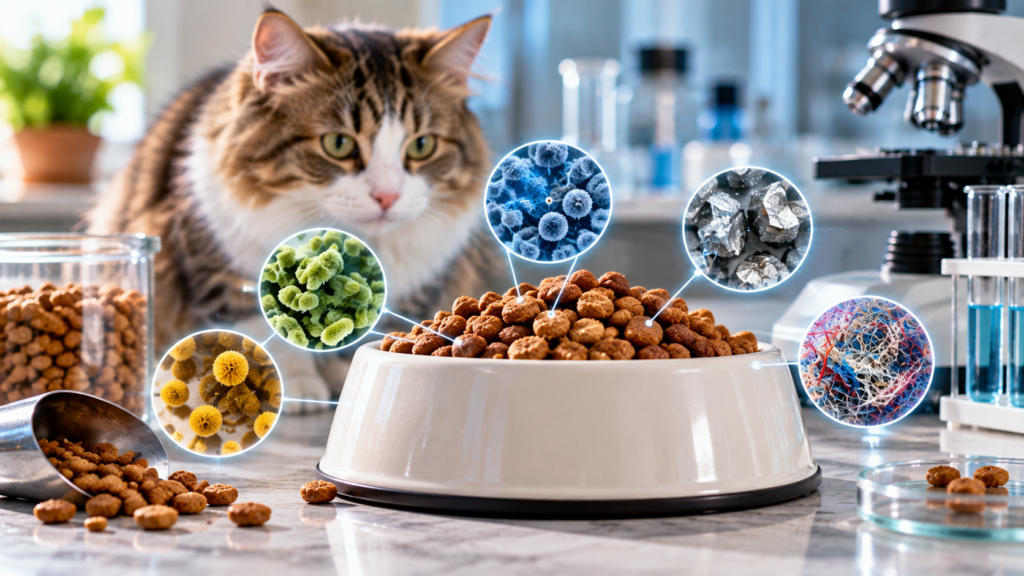
According to the investigation, some heavy metals were detected in a large percentage of the tested samples.
| Contaminant | Tested samples with detectable levels |
|---|---|
| Lead | 99% |
| Cadmium | 96% |
| Arsenic | 94% |
Glyphosate was detected in 37% of the tested products, while the report also found DEHP, a chemical associated with plastics, in about half of the products tested.
Those numbers may sound alarming at first.
However, there’s an important distinction between detecting a substance and demonstrating that the amount present causes harm.
The investigation tested one batch of each product, so it cannot show how contamination might vary between different batches over time. It also did not establish that a particular product causes illness in cats.
So, should cat parents panic?
No.
The findings are worth understanding, but they shouldn’t be interpreted as proof that all commercial cat food is unsafe.
What About Fish-Based Cat Food?
Fish is a popular ingredient in many cat foods, and many cats love the taste.
The investigation reported higher associations with mercury and cadmium in fish- and seafood-based products compared with some other protein categories in its sample set.
That doesn’t mean you need to eliminate fish from your cat’s diet.
Instead, it’s a reminder that variety, nutritional balance and your cat’s individual needs matter.
If your cat eats a seafood-based diet every day and you’re concerned about whether it is appropriate, talk with your veterinarian before making major dietary changes.
Remember
Fish-based food isn’t automatically unsafe, just as another protein isn’t automatically contaminant-free.
Individual products and batches can differ.
What About Plant Ingredients and Pesticides?
Cats are obligate carnivores, but some commercial cat foods contain plant ingredients as part of their formulation.
The investigation detected glyphosate in some of the tested products. It also reported an association between higher amounts of plant ingredients among the first 10 listed ingredients and higher glyphosate measurements.
But this finding needs to be interpreted carefully.
It does not prove that plant ingredients make cat food unsafe.
It also doesn’t establish that every food containing plant ingredients contains harmful levels of pesticides.
The presence of a detectable chemical alone doesn’t tell us whether exposure is high enough to cause a health problem.
Is Wet Cat Food Safer Than Dry Food?
This is one of the areas where headlines can easily oversimplify the findings.
The investigation reported that dry cat food samples had roughly three times the lead levels of wet or air-dried products in the tested sample set.
But that doesn’t mean:
❌ Dry food is dangerous.
or
❌ Wet food is always safer.
The results describe the products and samples examined in this particular investigation. They shouldn’t be treated as a universal rule for every dry or wet cat food on the market.
Your cat’s age, health, nutritional requirements and individual circumstances also matter when choosing a diet.
If you’re thinking about changing your cat’s food because of this report, speak with your veterinarian first.
Raw Cat Food Has Its Own Safety Considerations
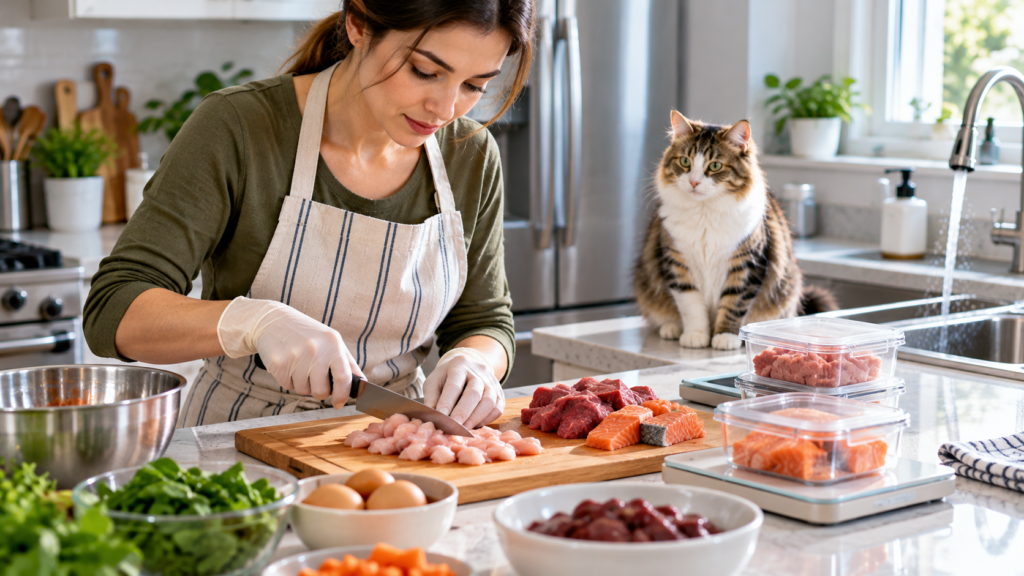
Contaminants aren’t the only pet-food safety issue cat parents should know about.
The FDA has also issued warnings involving contamination of certain raw pet foods, including specific lots of RAWR Raw Cat Food Chicken Eats with H5N1.
The FDA reported that testing found H5N1 in specified lots and that genetic analysis supported a connection between virus detected in one affected cat and the contaminated food.
The FDA also warns that raw pet food can contain harmful bacteria such as Salmonella and Listeria, which can affect animals and people who handle contaminated food.
This is an important distinction:
“Natural” or “raw” doesn’t automatically mean “safer.”
If you feed raw food, follow appropriate food-handling and hygiene practices and discuss the diet with your veterinarian.
Aflatoxins: Another Pet Food Safety Concern
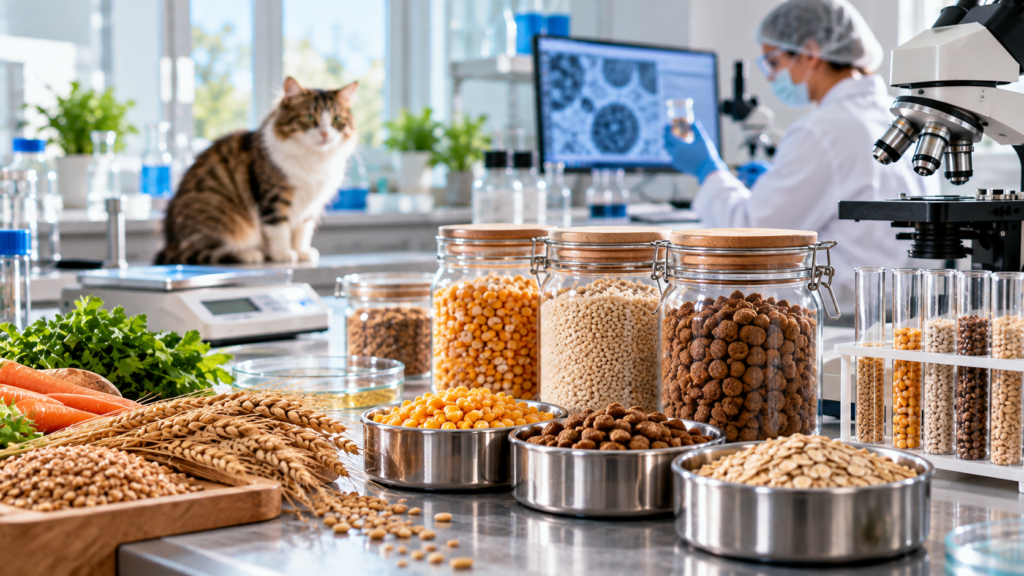
Aflatoxins are naturally occurring toxins produced by certain molds.
They can grow on crops and ingredients such as corn, peanuts and some grains under favorable conditions.
According to the FDA, significant exposure to aflatoxins can cause serious illness and liver damage in pets and can be fatal in severe cases.
One reason aflatoxins are particularly concerning is that contaminated food may not look or smell obviously spoiled.
So don’t rely on appearance alone to decide whether pet food is safe.
7 Simple Cat Food Safety Tips for Pet Parents
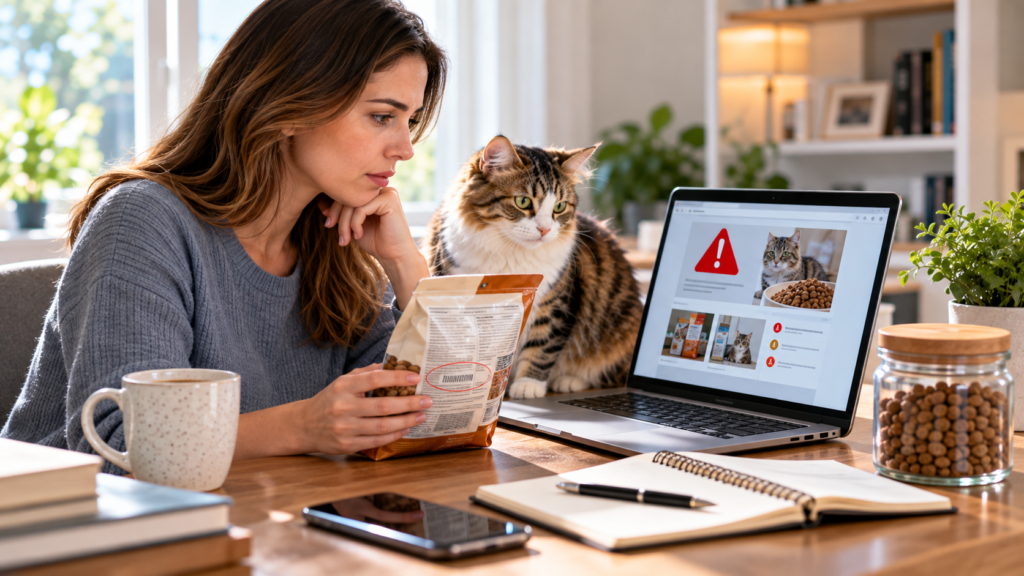
You don’t need to throw away your cat’s food simply because you read a concerning headline.
Instead, focus on practical habits that can help you stay informed.
1. Check Pet Food Recalls
Make it a habit to check official pet food recalls and safety alerts.
The FDA publishes recall and safety information for animal food products.
This is especially important if you’ve recently purchased a new food or treat.
2. Keep the Lot Number
Don’t immediately throw away the original package.
Keep the lot number, expiration or best-by date and product information somewhere accessible.
If a recall is announced later, this information can help you determine whether your product is affected.
3. Read the Entire Label
Don’t judge a food solely by the biggest words on the front of the package.
Look at:
- Ingredient list
- Nutritional information
- Feeding instructions
- Product type
- Manufacturer information
- Storage instructions
Marketing terms can be useful, but they don’t tell you everything about a product.
4. Don't Suddenly Change Your Cat's Diet
If you’re worried after reading about contaminants, it can be tempting to immediately switch foods.
But sudden diet changes can cause digestive problems in some cats.
Before making a major change, consider your cat’s age, health, nutritional needs and current diet.
When in doubt, ask your veterinarian.
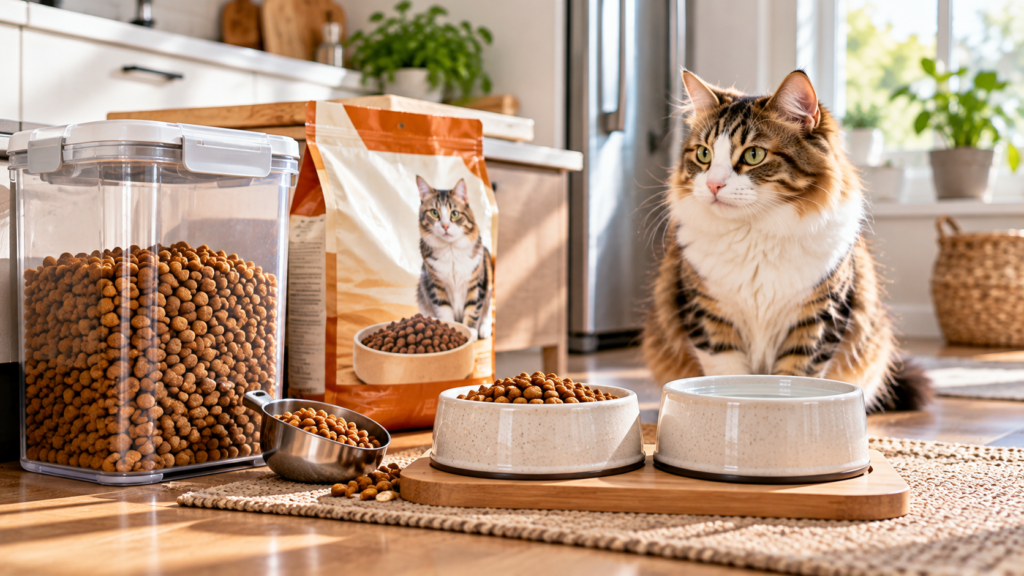
5. Store Cat Food Properly
Proper storage is an important part of cat food safety.
For dry food:
- Keep it in a cool, dry location.
- Keep the package properly sealed.
- Use a clean storage container if appropriate.
- Follow the manufacturer’s storage recommendations.
For wet food, follow the package’s instructions regarding refrigeration and leftovers.
6. Wash Your Hands and Bowls
Good hygiene matters, particularly when handling raw pet food.
Wash your hands after handling pet food and clean your cat’s bowls regularly.
Keeping the feeding area clean can also help reduce bacterial contamination.
7. Watch for Changes in Your Cat
You know your cat’s normal behavior better than anyone.
Pay attention to noticeable changes such as:
- Loss of appetite
- Vomiting
- Diarrhea
- Unusual tiredness
- Weight loss
- Increased thirst
- Changes in normal behavior
These symptoms can have many different causes.
Don’t automatically assume they’re caused by contaminated food.
If your cat becomes sick or you are concerned about a change in their health, contact your veterinarian.
Should You Stop Feeding Your Cat Commercial Food?
Not simply because of this investigation.
The investigation found contaminants in the tested samples, but it did not establish that every commercial cat food product is unsafe or that the detected levels would cause illness.
It also tested one batch per product, which limits how broadly the results can be applied.
The FDA regulates pet food and states that animal food must be safe, produced under sanitary conditions and meet applicable requirements.
So the practical takeaway isn’t:
“All commercial cat food is dangerous.”
Instead, it’s:
Be an informed pet parent.
Check recalls.
Read labels.
Store food correctly.
Keep the lot number.
Pay attention to your cat’s health.
And speak with your veterinarian when you have concerns about your cat’s diet.
Why Pet Food Safety Matters
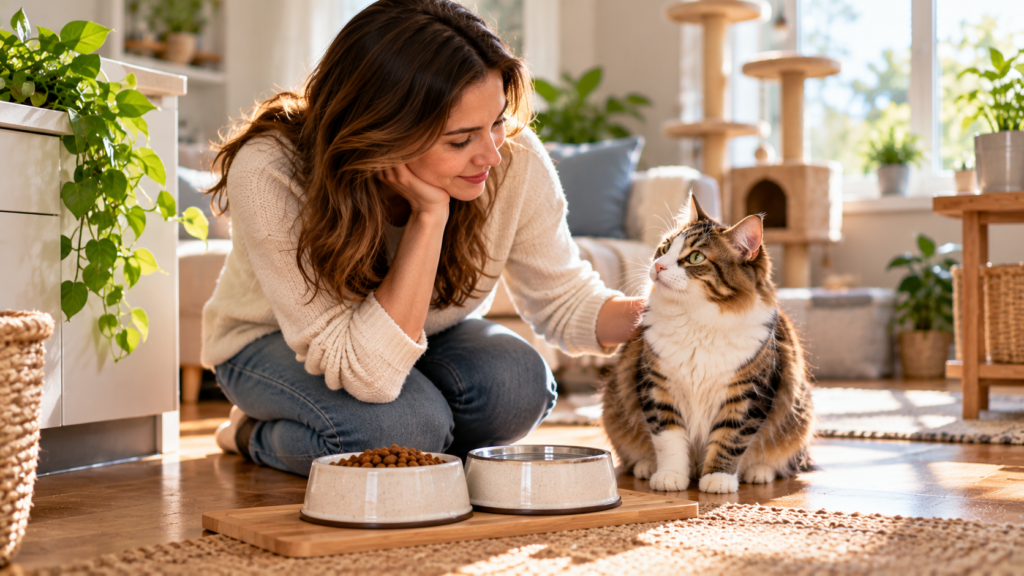
For many cats, the same food may be eaten every day for months or even years.
That’s one reason pet-food safety deserves attention.
The FDA notes that repeated exposure to certain contaminants, such as aflatoxins, can create health risks over time.
Your cat can’t read a package label.
Your cat can’t check a recall database.
They depend on you to make informed choices.
Final Takeaway: What Should Cat Parents Do?
he recent cat food investigation is a reason to pay closer attention—not a reason to panic.
No single food type, protein source or brand can be declared universally safe or unsafe based on this investigation alone.
Instead, look at the bigger picture:
✔ Check current recalls
✔ Keep product and lot information
✔ Read the complete label
✔ Store food properly
✔ Practice good hygiene
✔ Monitor your cat’s health
✔ Ask your veterinarian about major diet changes
The goal isn’t to find a “perfect” cat food.
The goal is to make informed, evidence-based choices for your individual cat.
Because what’s in your cat’s bowl matters.
Frequently Asked Questions
Commercial cat foods are formulated to provide cats with the nutrients they need when properly fed. However, pet parents should follow feeding and storage instructions and pay attention to official recalls and safety alerts.
Heavy metals can occur at detectable levels in foods, including some pet foods. The recent investigation detected lead, cadmium and arsenic in many of the tested samples. Detecting a substance does not by itself establish that the food is harmful.
There isn’t enough evidence from this single investigation to say that wet food is universally safer than dry food. The study found different contaminant levels among the tested categories, but individual products and batches can vary.
Not necessarily. Fish can be part of a cat’s diet, but dietary choices should consider the cat’s nutritional needs and overall diet. If you’re concerned about feeding fish regularly, discuss it with your veterinarian.
Yes. Checking official recall and safety information is a sensible habit, particularly when you purchase a new product or have concerns about a particular lot.
Don’t assume that food contamination is the cause. Stop and assess the situation, keep the product packaging and lot information, and contact your veterinarian for appropriate advice.