Have you ever seen a puppy, a fluffy cat, or even a soft toy and immediately felt the urge to pet it?
You’re not alone—almost every human experiences this instinct.
But why do humans want to pet everything? Is it love? Is it habit? Or is our brain doing something special?
Let’s uncover the psychology behind this adorable human behavior.
Table of Contents
ToggleReasons : Why Do Humans Want to Pet Everything

1. The “Cuteness Response”: Our Brain Loves Cute Things
Humans are biologically programmed to respond to cuteness—big eyes, small nose, round face, soft appearance.
This is called “Kindchenschema” (Baby Schema).
When we see something cute, our brain releases:
✔ Dopamine – feel-good hormone
✔ Oxytocin – love & bonding hormone
These chemicals create a powerful urge to touch, pet, or cuddle.
Why this happens:
Our ancestors needed to care for their babies. Anything that looked “baby-like” triggered nurturing behavior, and this mechanism still works today—even for animals and objects!
2. Petting Reduces Stress Instantly
Research shows that petting a dog or cat can:
lower heart rate
reduce blood pressure
release calming hormones
Even touching soft objects—like a blanket, cushion, or plush toy—has the same soothing effect.
This is why:
Humans associate soft touch with safety, comfort, and emotional warmth, which triggers relaxation.
3. The Power of Emotional Connection
Humans are social beings. Touch is one of the strongest ways we bond.
When we pet an animal, it creates mutual trust and emotional connection.
This happens because:
Petting releases oxytocin in both the human and the animal
Touch signals care, love, and protection
It satisfies our need for companionship
Even when people see cute videos online, they imagine the softness and feel an emotional bond.
4. Mirror Neurons & Empathy: We Feel What They Feel
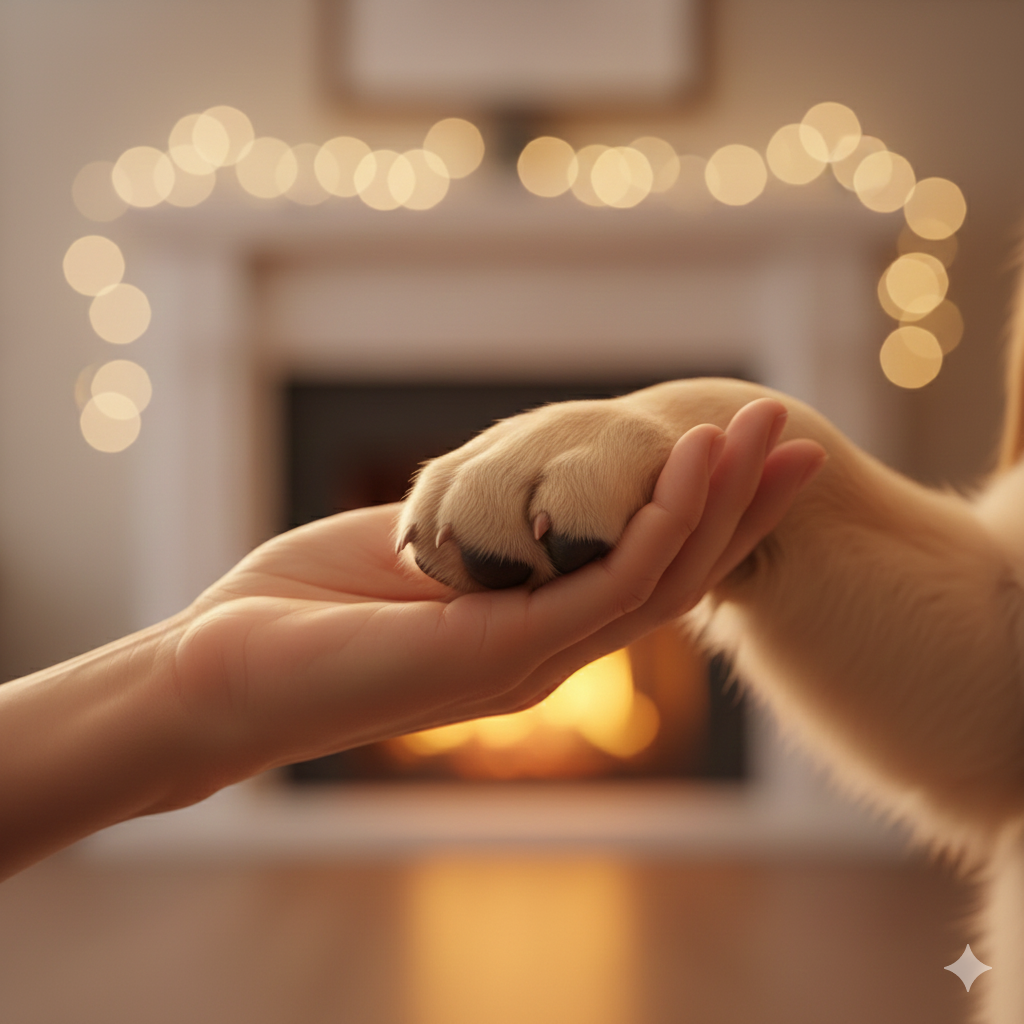
Humans have mirror neurons—cells in the brain that mimic the emotions of what we see.
When we see a cute animal or soft creature, our mirror neurons activate and make us feel:
warmth
affection
curiosity
This drives the natural urge to reach out and pet.
5. Petting Activates Childhood Memories
Softness is strongly linked to childhood:
Soft toys
Blankets
Gentle touches from parents
These early, comforting experiences become stored in our emotional memory.
So when we encounter something soft or cute, our brain instantly recalls those feelings.
This makes petting feel familiar, safe, and deeply comforting.
6. Humans Love Sensory Pleasure
Touch is a powerful sensory experience.
Our skin contains millions of nerve endings that love gentle sensations.
Soft fur, silky feathers, or fluffy textures create:
✔ Pleasant sensations
✔ Calmness
✔ Satisfaction
That’s why people pet:
dogs
cats
rabbits
soft pillows
plush toys
even soft clothing
Our brain simply enjoys sensory pleasure.

7. Control & Connection: Feeling Emotionally Grounded
When you pet something, you control the movement—the softness, the pace, the pressure.
This gives humans a sense of:
stability
grounding
emotional balance
Petting is often used in anxiety management because repetitive touch reduces mental overload.
Conclusion: It’s Perfectly Normal to Want to Pet Everything
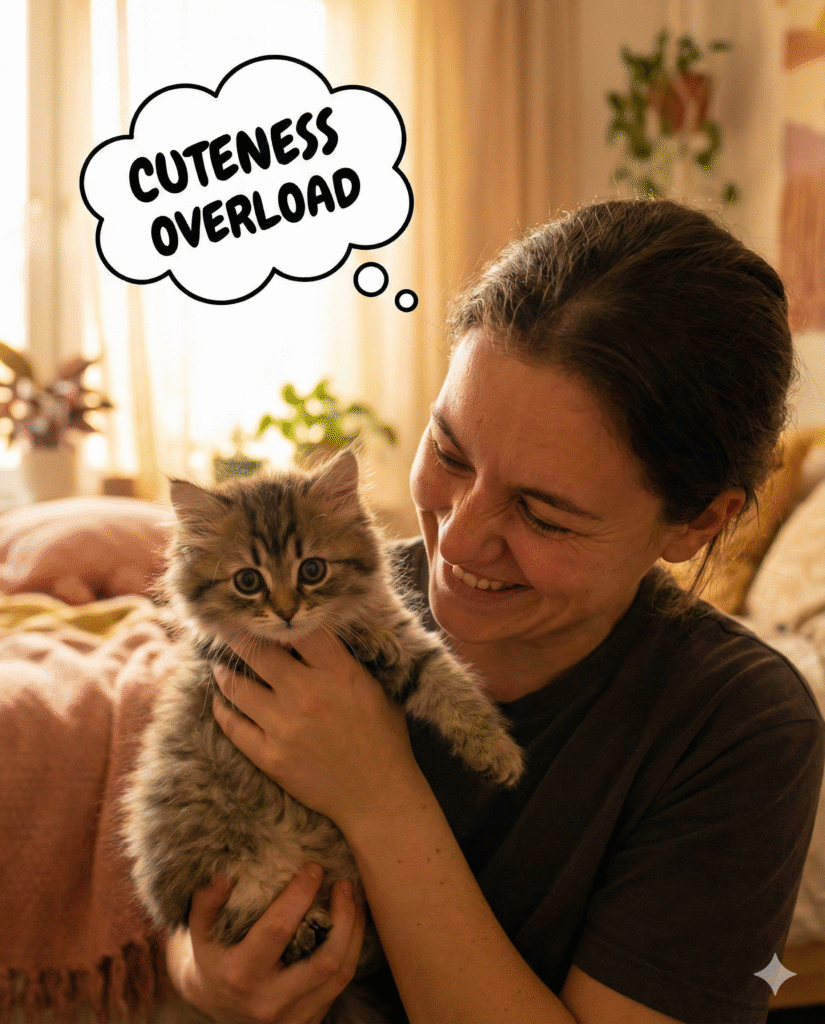
The urge to pet cute, soft things is a natural part of human psychology.
It comes from:
biological instincts
stress-relief mechanisms
emotional bonding
sensory pleasure
childhood comfort memories
So the next time you feel like petting a fluffy animal or a soft pillow—remember, your brain is simply doing its job to make you feel good, safe, and connected.