About the pet grooming tools:
If you’ve ever walked down the pet care aisle of a store or scrolled through pages of products online, you know how overwhelming it can feel. There are brushes, clippers, combs, shampoos, nail grinders, and tools with names that sound more like something you’d find in a salon than in a pet kit. Choosing the best pet grooming tools for your furry friend isn’t just about keeping them looking adorable—it’s about their health, comfort, and overall well-being.
Whether you’re a first-time pet parent or someone who’s been caring for animals for years, picking the right tools can make grooming easier, safer, and even a bonding experience. Let’s break down everything you need to know so you can confidently choose the best grooming tools for your pet.
Why Pet Grooming Tools Matter
Good Pet Grooming Tools are not just vanity. For pets, it can prevent skin infections, matting, overgrown nails, and even painful ear issues. The right tools:
- Keep coats healthy: Brushing removes dirt, loose hair, and tangles.
- Prevent discomfort: Well-maintained nails and fur stop irritation or injuries.
- Strengthen your bond: Grooming is often a calming, bonding experience.
- Save money: Investing in tools at home reduces the need for constant professional grooming visits.
But not all tools work for every pet. The best choice depends on your pet’s coat type, size, temperament, and health needs.
Step 1: Know Your Pet’s Coat Type
The type of coat your pet has will determine which tools are essential.
- Short-haired pets (Boxers, Beagles, some cats)
- Best tools: Rubber curry brushes or grooming mitts to remove loose fur and stimulate skin oils.
- Avoid: Heavy de-shedding tools—they’re unnecessary for very short coats.
- Long-haired pets (Golden Retrievers, Persian cats, Shih Tzus)
- Best tools: Slicker brushes and wide-tooth combs for detangling.
- Bonus: De-matting tools if your pet’s coat is prone to knots.
- Double-coated breeds (Huskies, German Shepherds)
- Best tools: Undercoat rakes and de-shedding brushes to reduce seasonal shedding.
- Must-have: Sturdy slicker brushes to handle thick layers of fur.
- Curly or wavy coats (Poodles, Doodles, Bichon Frises)
- Best tools: Pin brushes and combs designed for curly hair.
- Pro tip: A high-quality clipper is often essential, since curly coats need regular trims.
- Hairless or thin-coated breeds (Sphynx cats, Greyhounds)
- Best tools: Soft grooming gloves and gentle shampoos for skin maintenance.
- Extra: Pet-safe moisturizers, since skin can dry out easily.
Knowing your pet’s coat type ensures you don’t waste money on tools that don’t suit them.
Step 2: Essential Pet Grooming Tools Every Pet Parent Should Have
Here’s a breakdown of the must-have grooming tools and how to choose the best version of each:
- Brushes and Combs
- Slicker Brush: Great for detangling and removing mats in long-haired pets. Choose one with rounded pins to avoid scratching.
- Pin Brush: Ideal for fluffy, curly coats. Look for cushioned bases for comfort.
- Undercoat Rake: Perfect for shedding seasons with double-coated pets.
- Rubber Grooming Mitt: A gentle option for short-haired pets; it also gives a mini massage.
- Comb: Essential for fine-tuning after brushing, especially for areas around ears, tails, and paws.
- Nail Care Tools
- Clippers: Guillotine-style clippers are good for small dogs or cats, while scissor-style clippers work best for larger pets.
- Nail Grinders: A safer alternative if you’re nervous about cutting too short. Look for quiet models if your pet is easily scared by noise.
- Bathing Supplies
- Pet-Specific Shampoo and Conditioner: Human shampoo isn’t safe for pets because of pH differences. Go for natural, hypoallergenic formulas if your pet has sensitive skin.
- Grooming Towels or Drying Mitts: Super absorbent towels reduce drying time.
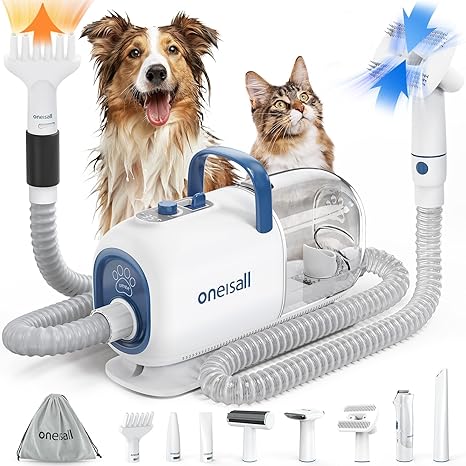
- Pet Dryer: Regular blow dryers can be too hot and noisy; pet dryers are quieter and safer.
- Clippers and Trimmers
- Cordless Clippers: More convenient for maneuvering. Choose models with adjustable blades for different coat lengths.
- Face and Paw Trimmers: Smaller trimmers make delicate areas easier to manage.
- Ear and Eye Care Tools
- Ear Cleaners: Pet-safe liquid solutions help prevent infections.
- Wipes: Gentle wipes for tear stains, especially useful for breeds like Maltese or Pugs.
- Extras
- De-shedding Tools: Like the Furminator—excellent for seasonal shedding.
Grooming Table or Non-Slip Mat: Makes at-home grooming safer and more comfortable for you and your pet.
Step 3: Safety and Comfort First
When choosing Pet Grooming Tools, always put safety and comfort at the top of your list. Ask yourself:
- Is it pet-safe? Avoid harsh chemicals or tools with sharp, exposed edges.
- Is it ergonomic? Comfortable handles mean less fatigue for you and a gentler touch for your pet.
- Is it quiet? Many pets are noise-sensitive, so quiet clippers and dryers reduce stress.
- Does it fit your pet’s size? Clippers, brushes, and nail trimmers should match the size of your pet’s body and nails.
Step 4: Think About Your Pet’s Personality
Not every pet loves grooming. Some tolerate it; others resist. That’s why it’s important to factor in temperament.
- For anxious pets: Choose quiet, gentle tools like silent grinders or soft brushes. You may also need calming sprays.
- For playful pets: Grooming gloves can turn brushing into a fun bonding session.
- For wiggly pets: Tools with safety guards (like clippers that prevent overcutting nails) are essential.
Remember: grooming isn’t just about the tools—it’s about patience, positive reinforcement, and making the process as stress-free as possible.
Step 5: Don’t Overlook Quality
While it might be tempting to grab the cheapest brush or clipper, quality really matters. Good tools last longer, perform better, and are safer. Here’s what to look for:
- Stainless steel blades (for clippers and nail trimmers) resist rust.
- Strong, flexible bristles (for brushes) last longer without bending.
- Rechargeable batteries (for clippers and grinders) save money in the long run.
- Warranty or guarantee: A sign the brand stands by its product.
Sometimes investing a little more upfront can save you from buying replacements every few months.
Step 6: When to Call a Professional
Even with the best tools, some grooming tasks are best left to the pros—especially if your pet has severe matting, aggressive behavior, or medical issues. Professional groomers also have high-end equipment (like specialized dryers and precision clippers) and the expertise to handle tricky situations.
Think of at-home grooming as regular maintenance, with occasional professional support when needed.
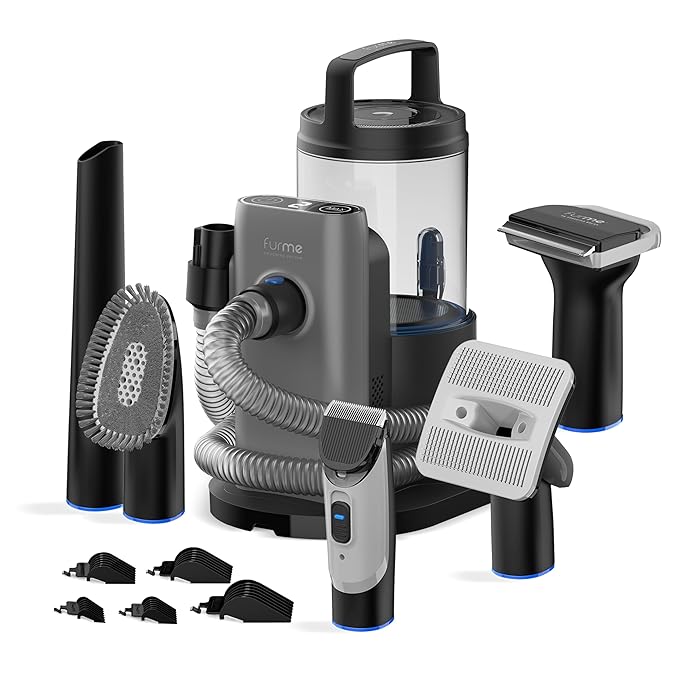
Pro Tips for Choosing and Using Best Pet Grooming Tools
- Start small: Buy one or two essentials (like a brush and nail clipper) before investing in a full kit.
- Read reviews: Other pet parents often highlight pros and cons you won’t find in the description.
- Try different tools: Sometimes what works for one pet won’t work for another, even within the same breed.
- Keep tools clean: Regularly sanitize brushes, combs, and clippers to avoid infections.
- Introduce tools gradually: Let your pet sniff, see, and hear them before use so they don’t feel threatened.
Final Thoughts
Choosing the best pet grooming tools for your pet doesn’t have to be overwhelming. Start by understanding your pet’s coat type, then invest in a few high-quality essentials that make grooming safe and comfortable. Keep their temperament in mind, and don’t be afraid to ask your vet or a professional groomer for recommendations.
The right tools not only keep your pet looking sharp but also support their overall health—and let’s be honest, there’s nothing better than a clean, happy, well-groomed companion snuggling next to you.
With a little research, patience, and the right grooming kit, you’ll be set up for years of easier grooming sessions and wagging tails.
Read Also ……….