Choosing a dog is a big decision, especially when you want a small companion who fits comfortably into your home and lifestyle. Small dog breeds are popular among American families, apartment dwellers, singles, and senior pet owners because many of them are affectionate, adaptable, and relatively easy to accommodate in smaller spaces.
But don’t let their tiny size fool you. Small dogs have different personalities, energy levels, grooming requirements, and health considerations. Some are playful explorers, while others are happiest cuddling beside their favorite person.
If you’re searching for the best small dog breeds, this guide will help you compare 10 adorable options, understand their care requirements, and choose a companion that matches your lifestyle.
We’ll also cover important health considerations, grooming costs, apartment suitability, and what first-time dog owners should know before bringing home a puppy.
Quick Comparison: 10 Popular Small Dog Breeds
Before exploring each breed, here’s a quick comparison of their typical characteristics.
Breed | Adult Weight (Approx.) | Energy | Grooming |
|---|---|---|---|
Pomeranian | 3–7 lbs | High | High |
Yorkshire Terrier | Up to 7 lbs | Medium–High | High |
Maltese | Under 7 lbs | Medium | High |
French Bulldog | 16–28 lbs | Low–Medium | Low |
Shih Tzu | 9–16 lbs | Low–Medium | High |
Chihuahua | Up to 6 lbs | Medium | Low–Medium |
Miniature Dachshund | Up to 11 lbs | Medium | Varies |
Cavalier King Charles Spaniel | 13–18 lbs | Medium | Medium |
Miniature Schnauzer | 11–20 lbs | Medium–High | Medium–High |
Bichon Frise | 12–18 lbs | Medium | High |
Weight ranges are approximate adult breed guidelines, not guarantees. Individual dogs can vary. Grooming and energy ratings are general editorial comparisons.
1. Pomeranian: The Fluffy Small Dog With a Big Personality
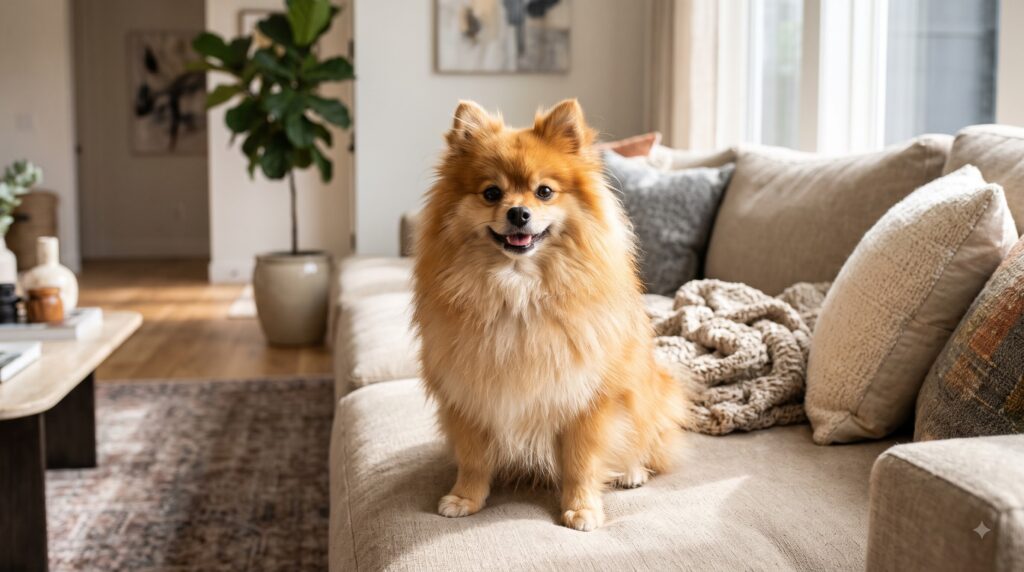
The Pomeranian is one of the most recognizable small dog breeds in the United States. Its fluffy double coat, fox-like face, and bright expression make it look like a little teddy bear.
Despite weighing only around 3–7 pounds, Pomeranians often have confident and energetic personalities. They enjoy exploring, learning tricks, playing with toys, and spending time with their owners.
Breed characteristics
Adult weight: Approximately 3–7 pounds.
Personality: Confident, curious, lively, and affectionate.
Energy level: High.
Grooming: Frequent brushing and regular coat maintenance.
Apartment suitability: Good, with appropriate exercise and barking management.
Training: Intelligent but sometimes independent.
What makes Pomeranians special?
Their small size makes them convenient companions for people living in apartments or smaller homes. They are also entertaining and can learn various tricks with positive reinforcement.
Potential challenges
Their thick coats require consistent grooming. Pomeranians may also bark frequently when excited or alerted to unfamiliar sounds.
Because they are delicate, owners should supervise interactions with young children and larger pets.
Best for: Individuals, couples, and families who want an energetic, playful companion.
2. Yorkshire Terrier: A Tiny Dog With a Fearless Attitude
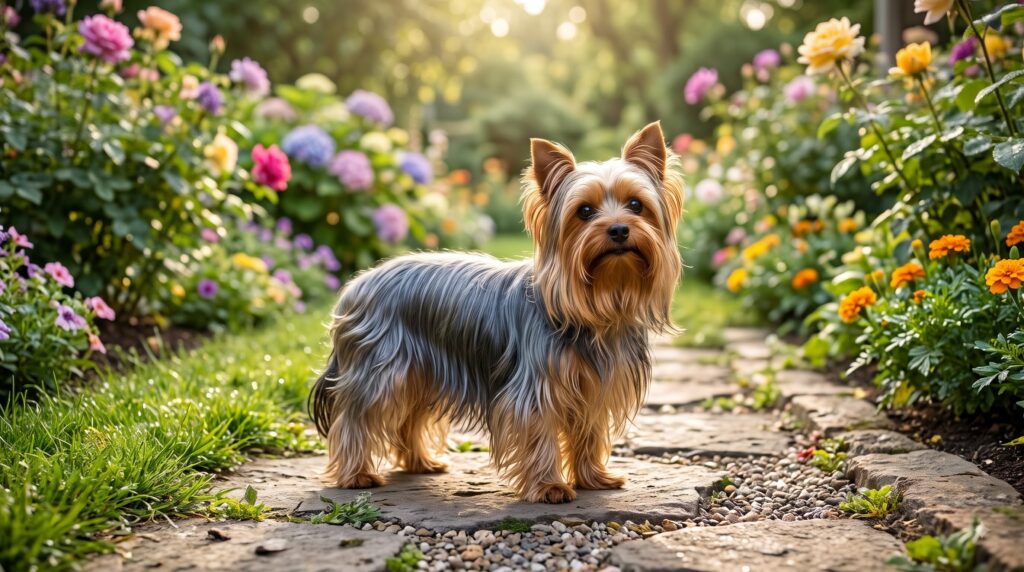
The Yorkshire Terrier, commonly called a Yorkie, is a small terrier famous for its silky coat and confident personality.
Originally developed as a working terrier, the Yorkie retains a curious and adventurous nature. Although tiny, it can be surprisingly brave and alert.
Breed characteristics
Adult weight: Up to approximately 7 pounds.
Personality: Brave, affectionate, curious, and alert.
Energy level: Medium to high.
Grooming: High.
Apartment suitability: Good.
Training: Intelligent, although consistency is important.
What makes Yorkshire Terriers special?
Yorkies can form strong relationships with their owners and enjoy activities such as indoor games, short walks, and learning commands.
Their small size makes them suitable for many different living arrangements.
Potential challenges
Their long coats require regular brushing and trimming. Some Yorkies can also develop excessive barking habits without proper training.
Their small bodies make gentle handling especially important.
Best for: People who want a small, intelligent dog with an energetic personality.
3. Maltese: The Gentle White Companion
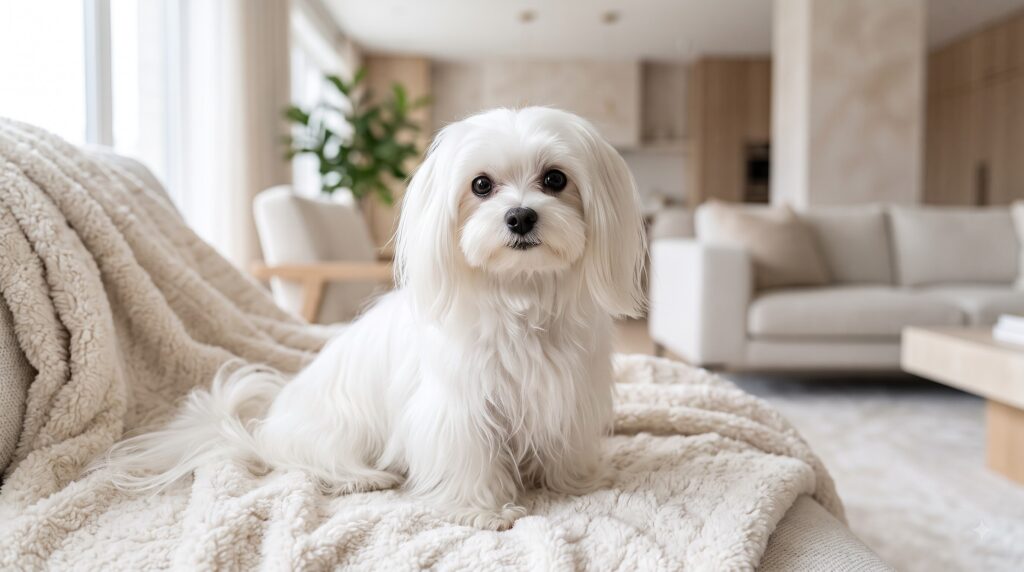
The Maltese is a beautiful toy breed known for its long white coat, dark eyes, and affectionate temperament.
For centuries, these dogs have been valued as companion animals. They generally enjoy human company and often prefer staying close to their families.
Breed characteristics
Adult weight: Usually under 7 pounds.
Personality: Gentle, playful, affectionate, and sociable.
Energy level: Moderate.
Grooming: High.
Apartment suitability: Excellent.
Training: Responds well to positive reinforcement.
What makes Maltese dogs special?
Maltese dogs are loving companions that can adapt to apartment living. They enjoy indoor play and short daily walks.
Their small size also makes them convenient for people who prefer a compact pet.
Potential challenges
Their white coats require regular brushing and cleaning. Dental hygiene is especially important in toy breeds, and owners should arrange routine veterinary dental assessments.
Best for: People seeking a gentle, affectionate companion who can spend plenty of time indoors.
4. French Bulldog: The Charming Apartment Companion
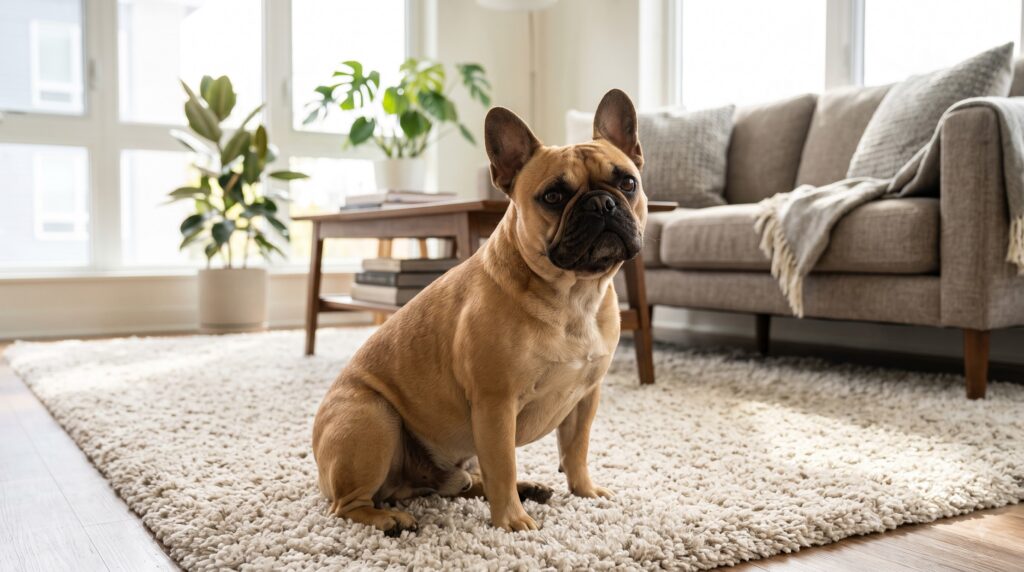
French Bulldogs are popular among urban dog owners because of their compact bodies, affectionate nature, and relatively modest exercise requirements.
Their distinctive upright ears and expressive faces make them instantly recognizable.
Breed characteristics
– Adult weight: Approximately 16–28 pounds.
– Personality: Playful, friendly, and affectionate.
– Energy level: Low to moderate.
– Grooming: Relatively low.
– Apartment suitability: Often good.
– Training: Can be stubborn, but responds to positive training.
What makes French Bulldogs special?
They often enjoy relaxing indoors, playing short games, and spending time with their families.
Their short coats also require less brushing than long-haired breeds.
Important health consideration
French Bulldogs have shortened muzzles, which can contribute to Brachycephalic Obstructive Airway Syndrome (BOAS).
Possible symptoms include noisy breathing, exercise intolerance, and difficulty breathing. Hot and humid weather can make breathing problems worse.
Owners should avoid strenuous exercise in hot weather and discuss breathing assessments with their veterinarian.
Cornell Vet School
Best for: People looking for an affectionate indoor companion who can provide appropriate health monitoring and temperature control.
5. Shih Tzu: The Sweet and Affectionate Family Companion
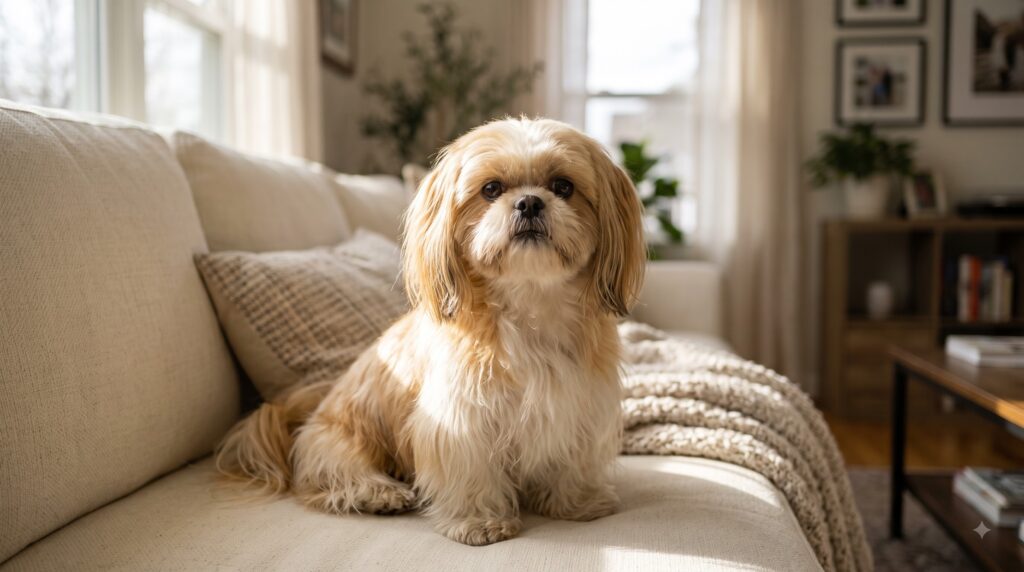
The Shih Tzu is a small companion breed with a long history of living alongside people.
Its beautiful coat, friendly expression, and affectionate personality have made it a popular household pet.
Breed characteristics
Adult weight: Approximately 9–16 pounds.
Personality: Friendly, affectionate, and outgoing.
Energy level: Low to moderate.
Grooming: High.
Apartment suitability: Excellent.
Training: Benefits from patient, consistent training.
What makes Shih Tzus special?
They generally enjoy human attention and can be happy with short walks and indoor play.
Their adaptable nature makes them suitable for many households.
Potential challenges
Their long coats require frequent brushing and professional grooming. Their shortened muzzle can also create breathing and heat-related challenges.
Owners should pay particular attention to comfortable temperatures and avoid overexertion.
Best for: Families and individuals who want an affectionate indoor companion and can maintain regular grooming.
6. Chihuahua: One of the Smallest Dog Breeds in the World
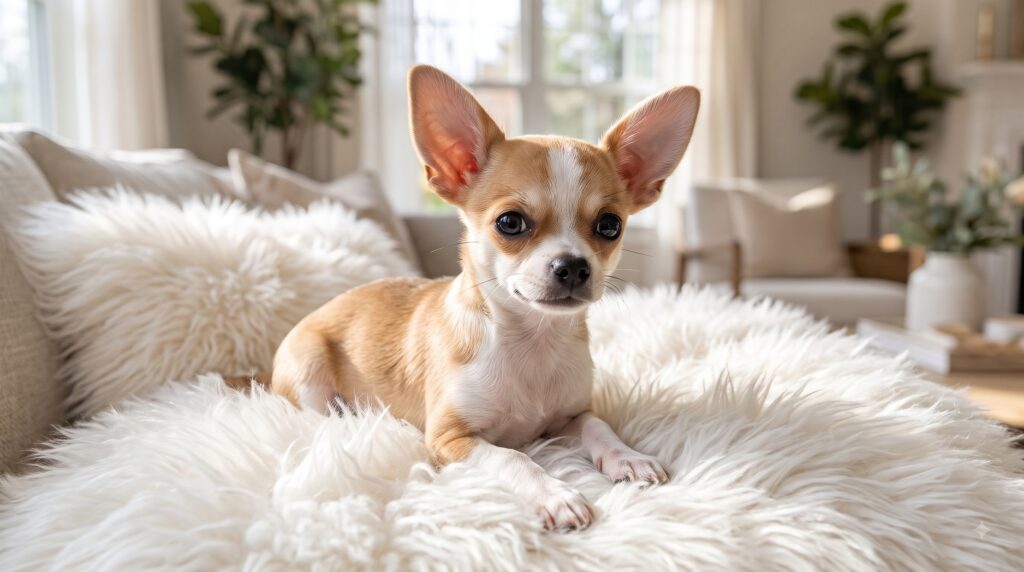
The Chihuahua is widely recognized as the world’s smallest dog breed.
Its tiny body, large ears, and confident personality make it a favorite among people who love small dogs.
Chihuahuas come in smooth-coat and long-coat varieties, with several different colors and patterns.
Breed characteristics
Adult weight: Usually up to 6 pounds.
Personality: Loyal, alert, confident, and affectionate.
Energy level: Moderate.
Grooming: Low to moderate, depending on coat type.
Apartment suitability: Excellent.
Training: Benefits from early socialization.
What makes Chihuahuas special?
Despite their small size, they can be lively, attentive, and protective of their families.
They can also enjoy indoor games, short walks, and learning simple commands.
Potential challenges
Chihuahuas are physically delicate. They should be protected from rough handling and accidental falls.
Dental care is another important consideration because toy breeds are susceptible to dental disease.
Best for: Individuals and households looking for a tiny, loyal companion.
7. Miniature Dachshund: The Little Dog With a Long Body
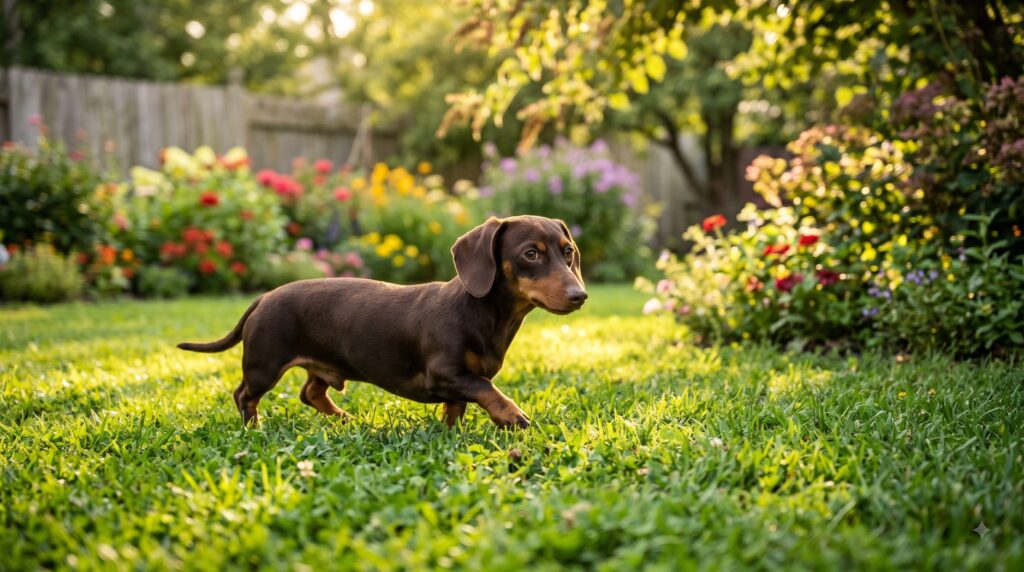
The Dachshund is one of the most distinctive small dog breeds, famous for its long body and short legs.
Originally bred for hunting, Dachshunds are curious, brave, and energetic.
They come in smooth, long-haired, and wire-haired varieties.
Breed characteristics
Miniature adult weight: Usually up to 11 pounds.
Personality: Curious, playful, brave, and independent.
Energy level: Moderate.
Grooming: Depends on coat variety.
Apartment suitability: Good, with regular exercise.
Training: Intelligent but can be independent.
What makes Dachshunds special?
Their playful personalities and unique appearance make them wonderful companions.
They enjoy exploring, playing games, and spending time with their owners.
Important health consideration
Dachshunds have a higher risk of intervertebral disc disease (IVDD), a condition affecting the spinal discs.
Owners should help maintain a healthy weight, limit repeated jumping from furniture, and ask their veterinarian about safe exercise and back care.
Best for: Owners who enjoy playful, curious dogs and can provide appropriate exercise and back protection.
8. Cavalier King Charles Spaniel: The Gentle Family Favorite
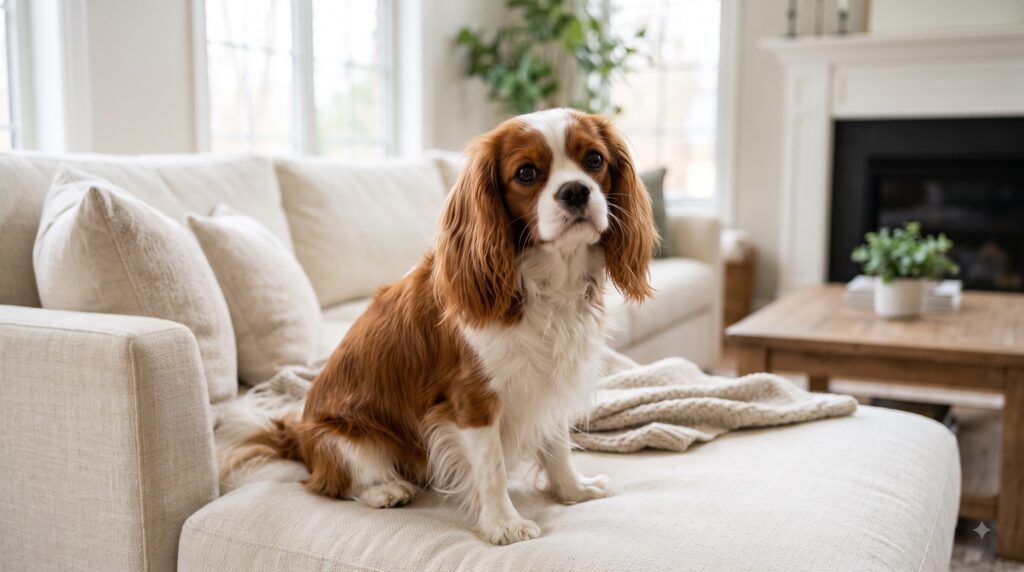
The Cavalier King Charles Spaniel is admired for its silky coat, beautiful eyes, and affectionate temperament.
Unlike some energetic terriers, Cavaliers are often happy to combine playtime with relaxing beside their owners.
Breed characteristics
Adult weight: Approximately 13–18 pounds.
Personality: Gentle, affectionate, and sociable.
Energy level: Moderate.
Grooming: Moderate.
Apartment suitability: Good, with daily exercise.
Training: Usually responsive to positive reinforcement.
What makes Cavaliers special?
Their friendly nature makes them appealing companions for individuals, couples, and families.
They often enjoy walks, interactive games, and spending time with people.
Important health consideration
Cavalier King Charles Spaniels have a recognized predisposition to mitral valve disease, a heart condition that requires veterinary monitoring.
Before choosing a puppy, ask the breeder about appropriate heart-health screening and discuss regular checkups with your veterinarian.
Best for: People seeking a gentle, affectionate companion who can provide regular health monitoring.
9. Miniature Schnauzer: The Smart and Energetic Little Dog
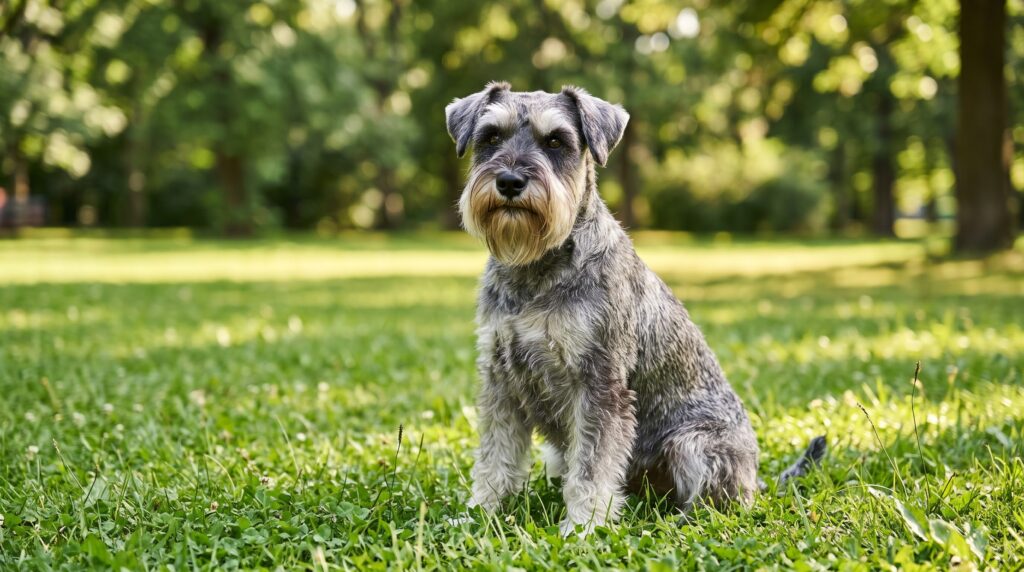
The Miniature Schnauzer is an intelligent and energetic small dog with a distinctive beard and bushy eyebrows.
Originally developed as a farm dog, it is known for being alert, curious, and eager to participate in family activities.
Breed characteristics
Adult weight: Approximately 11–20 pounds.
Personality: Intelligent, alert, friendly, and energetic.
Energy level: Medium to high.
Grooming: Moderate to high.
Apartment suitability: Good with exercise and training.
Training: Generally responsive and intelligent.
What makes Miniature Schnauzers special?
They enjoy learning tricks, playing games, and participating in daily activities.
Their intelligence makes training enjoyable when owners use consistent, positive methods.
Potential challenges
Some Miniature Schnauzers can be vocal. They also need regular coat trimming and mental stimulation.
Best for: Active individuals and families who enjoy training and interactive play.
10. Bichon Frise: The Adorable Living Teddy Bear
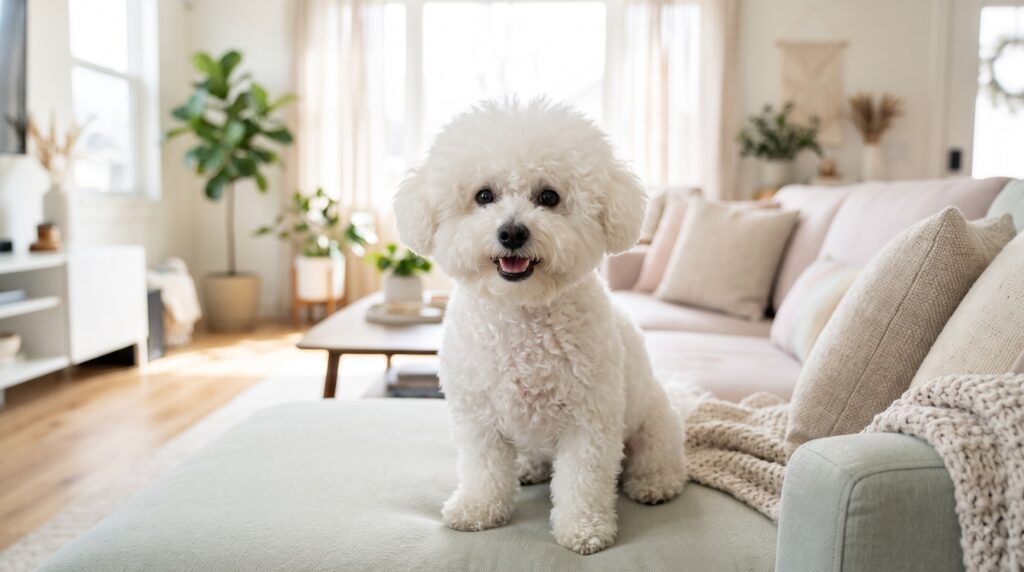
The Bichon Frise is famous for its soft, curly white coat and cheerful personality.
Its teddy-bear-like appearance makes it one of the most attractive small companion breeds.
Bichons are generally sociable and enjoy spending time with people.
Breed characteristics
Adult weight: Approximately 12–18 pounds.
Personality: Cheerful, friendly, playful, and affectionate.
Energy level: Moderate.
Grooming: High.
Apartment suitability: Good.
Training: Generally responsive to positive reinforcement.
What makes Bichon Frises special?
They often enjoy meeting new people, playing indoors, and participating in family activities.
Their friendly temperament can make them appealing companions for many households.
Potential challenges
Their curly coats need frequent brushing and professional grooming. Owners should also maintain regular dental care and veterinary checkups.
Best for: Families and individuals who want a cheerful, sociable dog and can commit to coat maintenance.
Which Small Dog Breed Is Best for Your Lifestyle?
There is no single best small dog breed for everyone. Your ideal companion depends on your available time, living environment, activity level, and grooming budget.
Here is a practical comparison to help narrow down your choices.
Your Lifestyle | Breeds Worth Considering |
|---|---|
Small apartment | Maltese, Chihuahua, Shih Tzu |
Active lifestyle | Miniature Schnauzer, Yorkshire Terrier, Pomeranian |
Affectionate companion | Maltese, Cavalier, Shih Tzu |
Relatively low coat maintenance | Smooth Dachshund, Short-haired Chihuahua, French Bulldog |
Playful family companion | Bichon Frise, Miniature Schnauzer |
Tiny dog preference | Chihuahua, Pomeranian, Maltese |
Fluffy teddy-bear appearance | Pomeranian, Bichon Frise, Shih Tzu |
These are starting points, not guarantees of temperament. Individual dogs differ, and every breed has its own care requirements.
Best Small Dog Breeds for First-Time Owners
f you are adopting or purchasing your first dog, look beyond appearance and consider how easily you can manage the dog’s daily needs.
Some breeds worth researching include:
1. Bichon Frise: Generally friendly and sociable, although grooming requires commitment.
2. Maltese: An affectionate companion that can adapt to smaller homes.
3. Shih Tzu: Often enjoys indoor companionship, but requires regular grooming and attention to breathing health.
4. Cavalier King Charles Spaniel: Usually gentle and people-oriented, but responsible health screening is particularly important.
5. Chihuahua: Small and adaptable, but early socialization and gentle handling are essential.
Remember that no breed is automatically easy to train or care for. Puppy training, toilet training, socialization, and veterinary care require time and patience.
How Much Does It Cost to Own a Small Dog in the USA?
Before bringing home a small dog, consider the long-term financial commitment.
The purchase or adoption fee is only the beginning. Food, grooming, veterinary visits, medications, toys, training, and emergency expenses all contribute to the total cost of ownership.
Expense | What to Budget For |
|---|---|
Adoption or purchase | Varies considerably |
Food | Depends on brand and dietary needs |
Grooming | Depends on coat type and frequency |
Veterinary visits | Routine and preventive care |
Vaccinations | Based on veterinary schedule |
Dental care | Regular home care and professional treatment |
Toys and accessories | Ongoing purchases |
Pet insurance | Depends on breed, age, location, and coverage |
Emergency care | Keep a separate emergency fund |
Important: There is no reliable universal annual cost for all small dogs. A French Bulldog may have different veterinary expenses from a healthy Chihuahua, while a Bichon Frise may need a larger grooming budget.
For a realistic estimate, request local quotes from veterinarians, groomers, and pet insurance providers before choosing a breed.
Important Health Considerations Before Choosing a Small Dog Breeds
Small dogs can live long, happy lives, but they are not free from health problems.
According to the American Kennel Club, many small dog breeds have average lifespans in the 10–15-year range, and some live longer.
Here are three important examples of breed-related health considerations:
Breed | Health Concern | What Owners Should Know |
|---|---|---|
French Bulldog | BOAS | Monitor breathing and heat tolerance |
Dachshund | IVDD | Protect the back and maintain healthy weight |
Cavalier King Charles Spaniel | Mitral valve disease | Discuss heart screening and monitoring |
Other small breeds can also experience dental disease, patellar luxation, eye conditions, and other inherited problems.
Before bringing home a puppy:
Ask for relevant health-screening records.
Research the breeder’s reputation.
Meet the puppy’s parents when possible.
Ask about the puppy’s veterinary history.
Discuss breed-specific risks with your veterinarian.
Consider adopting from a reputable rescue organization.
8 Essential Care Tips for Small Dog Breeds Owners
Regardless of the breed you choose, good daily care makes a significant difference to your dog’s well-being.
1. Choose the Right Food
Select complete and balanced dog food appropriate for your pet’s age, size, and health. Follow feeding guidance and consult your veterinarian about portion sizes.
2. Maintain Dental Hygiene
Small dogs can be particularly susceptible to dental problems. Brush their teeth with dog-safe toothpaste and schedule veterinary dental examinations.
3. Provide Daily Exercise
Even tiny dogs need physical activity. Walks, indoor games, and interactive toys help maintain a healthy body and mind.
4. Keep Their Coats Clean
Brush regularly, bathe when appropriate, and schedule professional grooming if the breed requires it.
5. Start Training Early
Teach basic commands such as sit, stay, come, and leave it. Positive reinforcement is an effective approach to building good habits.
6. Socialize Your Puppy
Introduce your dog to new environments, sounds, people, and other appropriately vaccinated and well-socialized dogs in a safe, positive manner.
7. Schedule Veterinary Checkups
Routine examinations help monitor weight, teeth, skin, heart health, and other potential problems.
8. Provide a Safe Home
Keep small objects, toxic foods, medications, and household chemicals away from your dog. Use pet stairs or ramps where appropriate, especially for dogs with back concerns.
Frequently Asked Questions About Small Dog Breeds
The Chihuahua is widely recognized as the world’s smallest dog breed. Adult Chihuahuas generally weigh up to approximately 6 pounds.
Maltese, Chihuahuas, Yorkshire Terriers, Pomeranians, and Shih Tzus can adapt well to apartment living. Exercise, training, barking habits, and individual temperament should also be considered.
Bichon Frises, Shih Tzus, and Cavalier King Charles Spaniels may make good family companions. Every dog is an individual, and young children should always be supervised around pets.
Smooth-coated Dachshunds, short-haired Chihuahuas, and French Bulldogs generally have lower coat-grooming requirements than long-haired breeds.
Maltese, Bichon Frises, and Shih Tzus are worth considering. However, every breed requires training, regular veterinary care, and attention.
Yes. Most small dogs benefit from daily walks and playtime. The amount and intensity should match their breed, age, health, and fitness level.
Many small breeds live approximately 10–15 years, although individual dogs may live shorter or longer depending on genetics, health, and care.
They may eat less food than larger dogs, but grooming, dental care, veterinary expenses, and insurance can still be significant. Some small breeds have substantial breed-specific health costs.
Both options can be good. Adoption provides a home to a dog in need, while a responsible breeder may help you understand the puppy’s family health history and expected characteristics. Choose a reputable source either way.
Check the puppy’s health records, vaccination and deworming history, living conditions, socialization, and relevant parental health screening. Arrange a veterinary examination after bringing the puppy home.
Final Thoughts: Find the Small Dog BreedsThat Matches Your Lifestyle
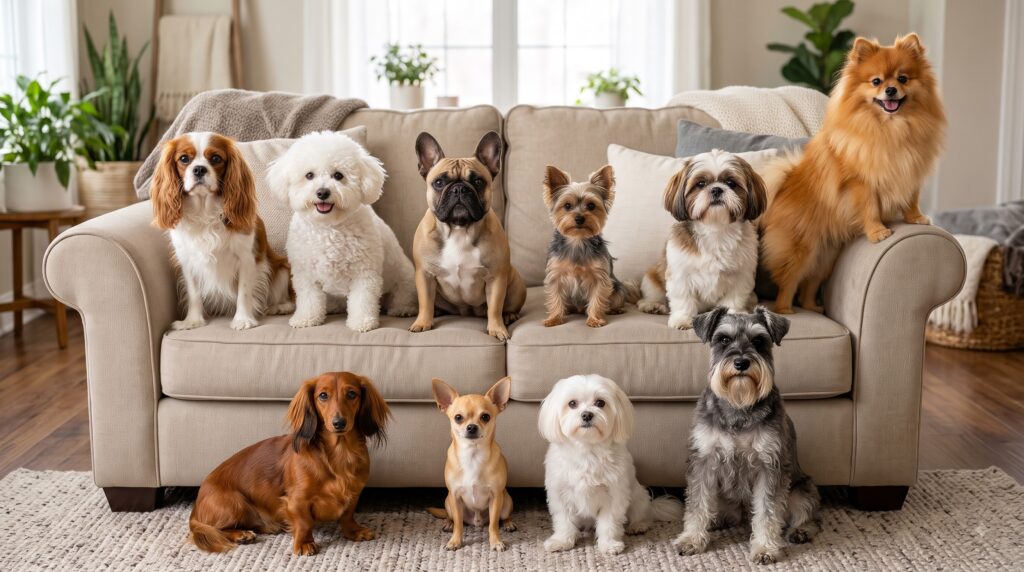
Small dogs bring companionship, happiness, and plenty of personality into a home.
Whether you fall in love with the fluffy Pomeranian, the affectionate Maltese, the playful Bichon Frise, or the confident Chihuahua, each breed offers something different.
But choosing a dog should never be based on appearance alone. Consider its temperament, health risks, grooming needs, exercise requirements, and your ability to provide lifelong care.
A responsible choice today can help you build a wonderful relationship with your four-legged companion for many years.
Which of these 10 small dog breeds would you choose? Share your favorite in the comments!
For more practical advice about dog breeds, nutrition, grooming, and pet health, explore AllPetCaretaker.com.
Also Read: Best Food for German Shepherds with Allergies: A Complete Guide
