Freshwater fish are one of the most popular pets in the United States, and it’s easy to see why. They are peaceful, beautiful, relaxing to watch, and available in hundreds of colorful species. Whether you are setting up your first aquarium or upgrading your home fish tank, freshwater fish are a great choice for beginners and experienced hobbyists alike.
In this guide, we’ll cover everything you need to know about freshwater fish, including the best species for beginners, tank setup tips, feeding, water care, and common mistakes to avoid.
What Are Freshwater Fish?
Freshwater fish are fish species that live in rivers, lakes, ponds, and streams with low salt levels. Unlike saltwater fish, they are generally easier to care for and more affordable for home aquariums.
Many freshwater fish adapt well to indoor tanks, making them ideal pets for families, kids, and aquarium enthusiasts across the USA.
Why Freshwater Fish Are Great Pets
Starting with freshwater is a smart move. The water chemistry is easier to manage than a saltwater setup, and the equipment and fish are generally more affordable. It’s a forgiving environment that lets you learn the basics of filtration, temperature control, and feeding without a steep learning curve. Plus, the variety is astounding—from the flashy to the fascinating, there’s a fish for every personality and tank size.
Here are some reasons why freshwater fish are so popular in American homes:
- Easy to maintain
- Budget-friendly
- Beautiful colors and patterns
- Reduce stress and anxiety
- Quiet and peaceful pets
- Perfect for apartments and small spaces
Watching fish swim calmly in an aquarium can create a relaxing atmosphere in any room.
Best Freshwater Fish for Beginners
Not all fish are created equal when it comes to ease of care. Here are some of the most popular and hardy choices perfect for U.S. hobbyists.If you are new to fishkeeping, start with hardy fish that are easy to care for.
1. Betta Fish
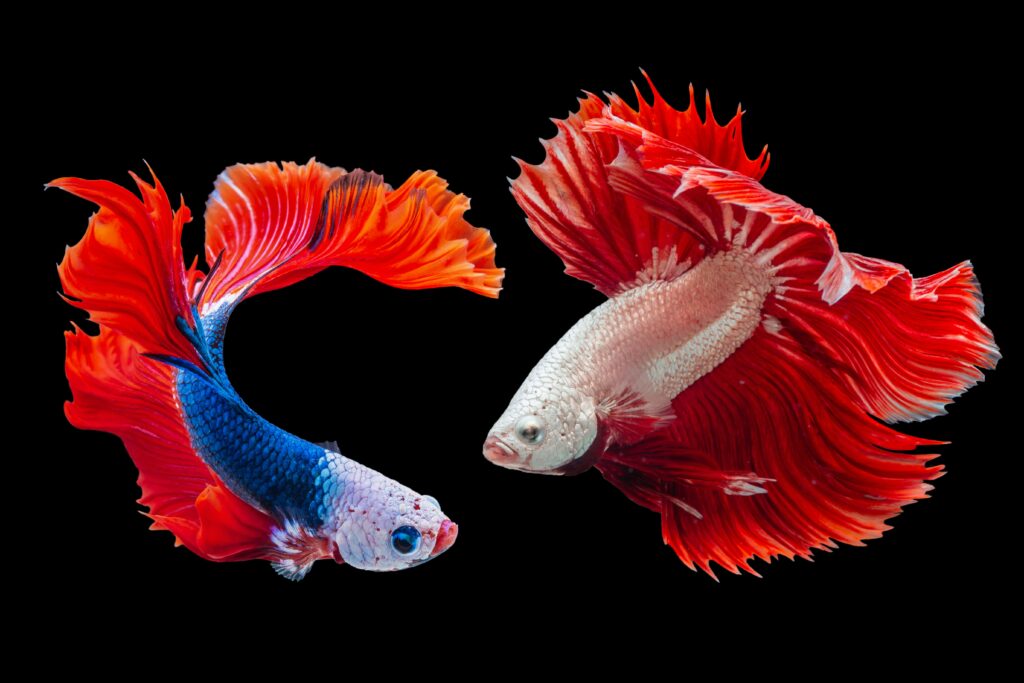
The superstar of the solo tank. Known for their stunning, flowing fins and vibrant colors, bettas are full of personality. They do require a heater and filter, despite some myths, and should be kept alone or with very specific, peaceful tank mates.
Pros:
- Beautiful flowing fins
- Easy to feed
- Great for beginners
Tank Tip:
Keep male bettas alone because they can become aggressive toward other males.
2. Guppy Fish
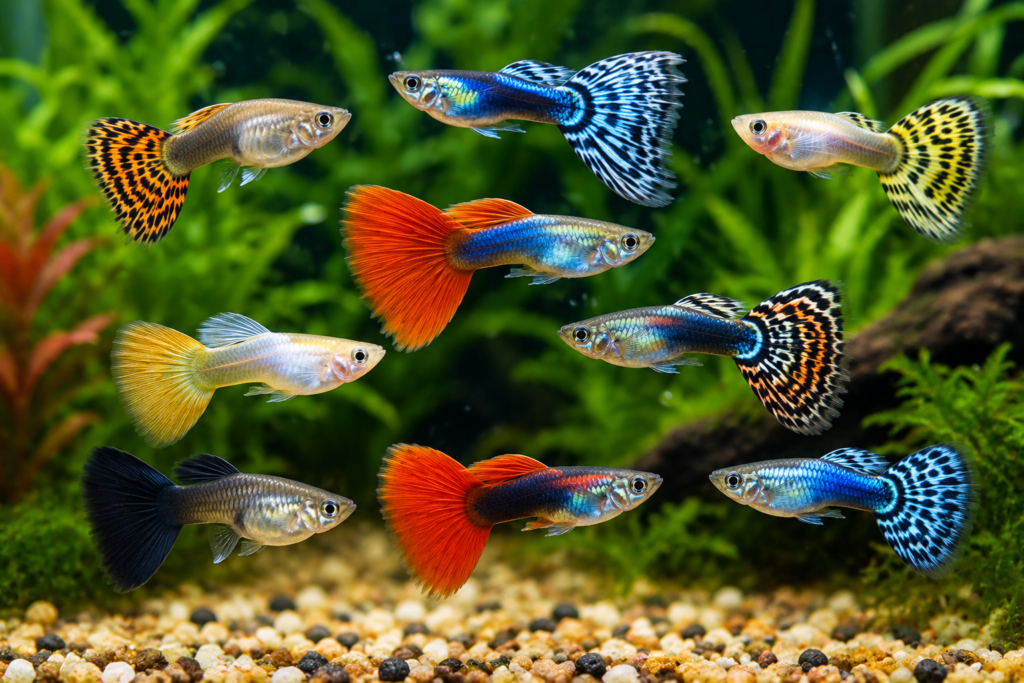
Often called the “million fish” for their prolific breeding, guppies are lively, colorful, and incredibly easy to care for. They’re peaceful and do great in community tanks, bringing constant movement and color.
Guppies are colorful and easy to breed, making them a favorite for beginners.
Pros:
- Very hardy
- Bright colors
- Easy care routine
Tank Tip:
Guppies do best in warm, clean water with gentle filtration.
3. Goldfish
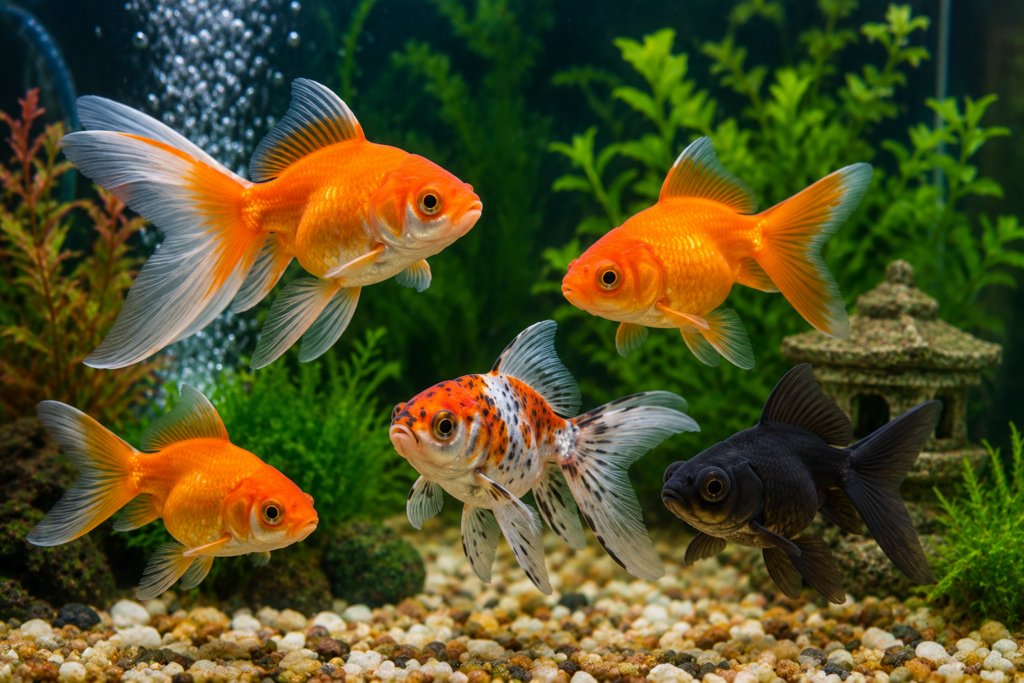
Goldfish are classic aquarium pets loved by families and children.
Pros:
- Friendly and active
- Long lifespan
- Easy to find in pet stores
Tank Tip:
Goldfish need larger tanks than most people think because they grow quickly and produce a lot of waste.
4. Neon Tetra
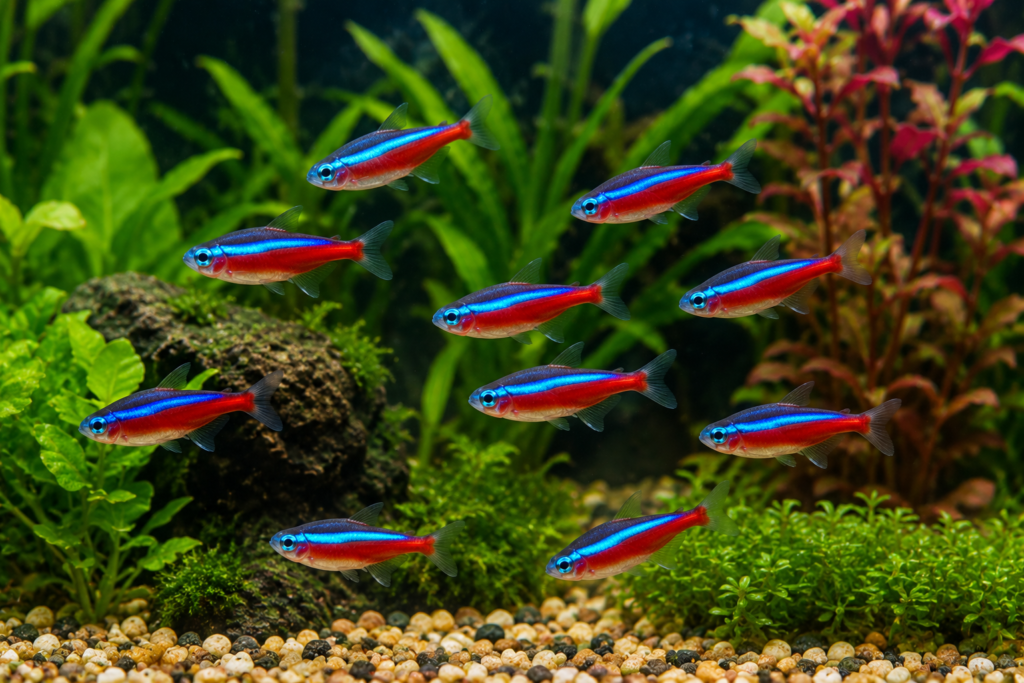
A classic for a reason. Their brilliant blue and red stripes make a stunning visual impact, especially when kept in a school of six or more. They’re peaceful, relatively hardy, and bring a beautiful, cohesive look to any community setup.
Neon tetras are small, peaceful fish known for their bright blue and red colors.
Pros:
- Perfect for community tanks
- Peaceful temperament
- Stunning appearance
Tank Tip:
Keep them in groups of at least six because they are schooling fish.
5. Corydoras Catfish
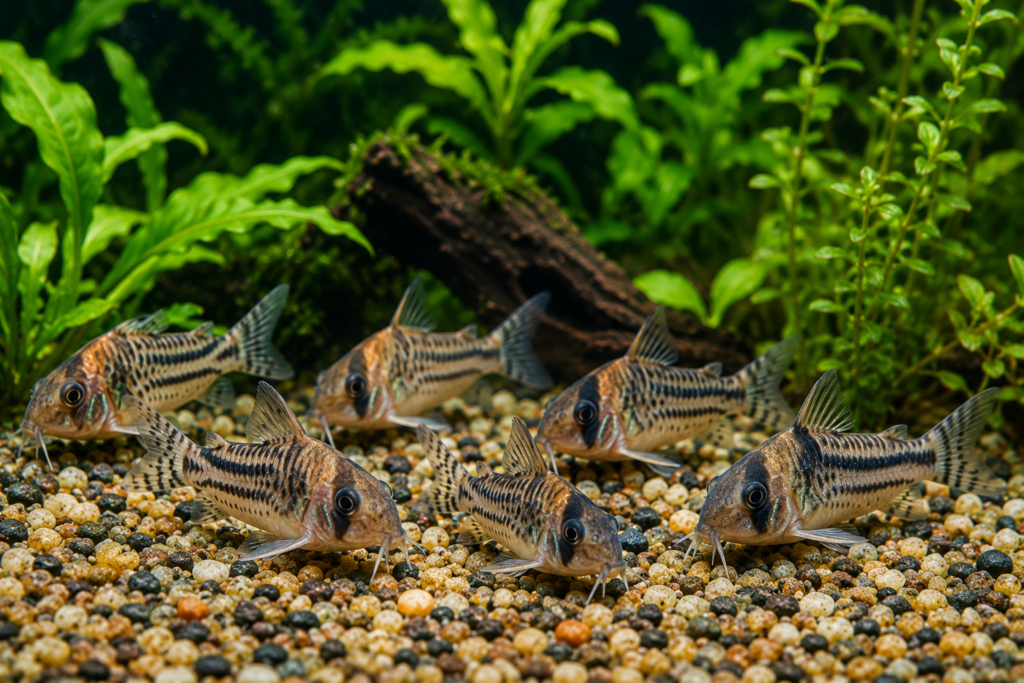
The friendly cleanup crew. These bottom-dwellers are social, peaceful, and adorable as they scavenge for leftover food. Keep them in groups of at least five, and they’ll be a delightful, active part of your tank’s ecosystem.
Cory catfish are peaceful bottom feeders that help keep the tank cleaner.
Pros:
- Friendly community fish
- Active and fun to watch
- Great tank cleaners
Tank Tip:
Use soft substrate like sand or smooth gravel to protect their whiskers.
6. Zebra Danios
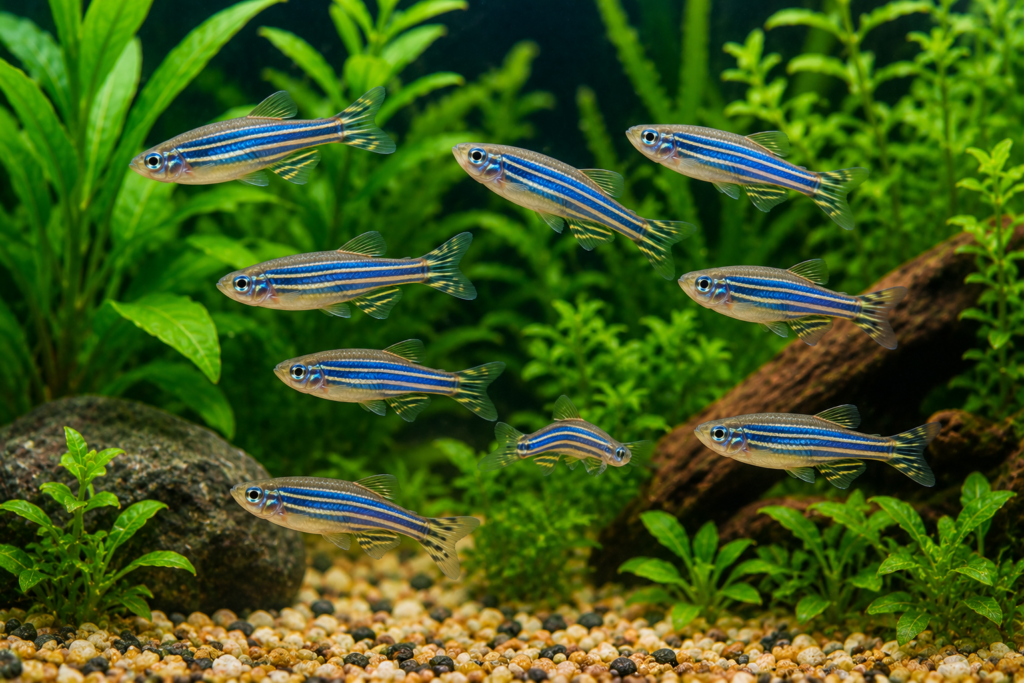
Zebra Danios are small, energetic freshwater fish that are popular among aquarium owners in the United States. Known for their striking black-and-white striped pattern, these fish are active swimmers that bring life and movement to any aquarium.
One of the biggest reasons beginners love Zebra Danios is their hardy nature. They can adapt to different water conditions better than many other fish species, making them an excellent choice for first-time fish keepers.
Zebra Danios are peaceful community fish and do best when kept in groups of at least six. Watching them swim together in schools creates a beautiful and natural aquarium display.
Pros:
- Very hardy and beginner-friendly
- Active and fun to watch
- Peaceful community fish
- Affordable and easy to find in pet stores
- Adapt well to different water conditions
- Low maintenance compared to many tropical fish
- Beautiful striped appearance adds movement to the aquarium
Tank Tip:
Keep them in groups of at least 6 for natural schooling behavior
How to Set Up a Freshwater Fish Tank
Setting Up for Success: The 5 Essentials
A healthy aquarium starts with the right setup.Getting your tank right from the start prevents most common problems. Think of it as building a mini-ecosystem.
1. Choose the Right Tank Size
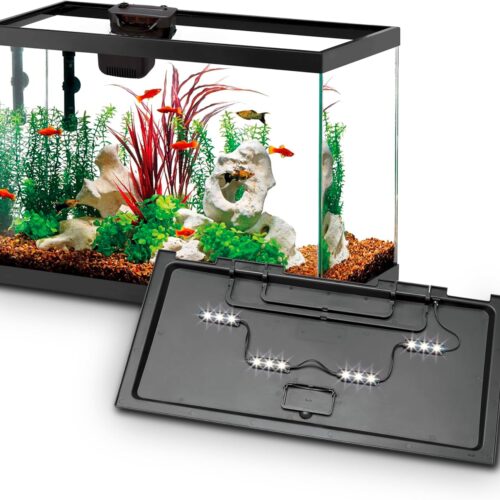
Beginners often make the mistake of buying tanks that are too small.Bigger is almost always better. A larger volume of water is more stable and dilute. Start with at least a 10-gallon tank—it gives you more options and is easier to maintain than a tiny bowl.
Recommended Tank Sizes:
- Betta fish: 5 gallons or more
- Goldfish: 20 gallons or more
- Community tanks: 20–40 gallons
2. Install Proper Filtration
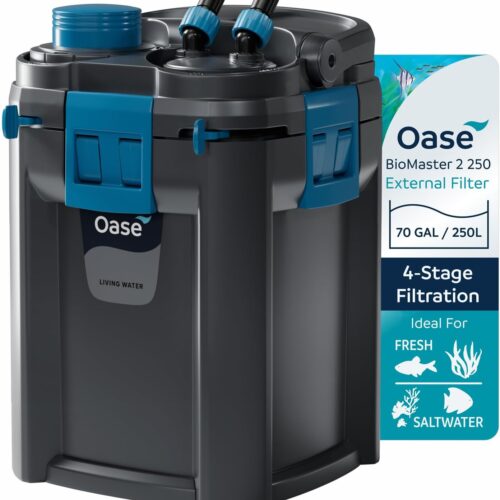
This is your tank’s life support. A good filter removes physical debris and hosts beneficial bacteria that break down harmful toxins like ammonia. Choose one rated for your tank size and clean it monthly in old tank water (never tap water, to preserve the good bacteria). A good filter keeps the water clean by removing waste and harmful toxins.
There are three main types of aquarium filtration:
- Mechanical filtration
- Biological filtration
- Chemical filtration
Always choose a filter rated for your tank size.
3. Maintain the Right Water Temperature (Heater & Thermometer)
Most tropical fish need stable, warm water. A reliable heater and a separate thermometer are non-negotiable. Aim for a steady temperature between 74°F and 80°F for the species listed above.
Most tropical freshwater fish prefer water temperatures between:
- 74°F to 80°F
Use an aquarium heater and thermometer to maintain stable temperatures.

4.The Nitrogen Cycle
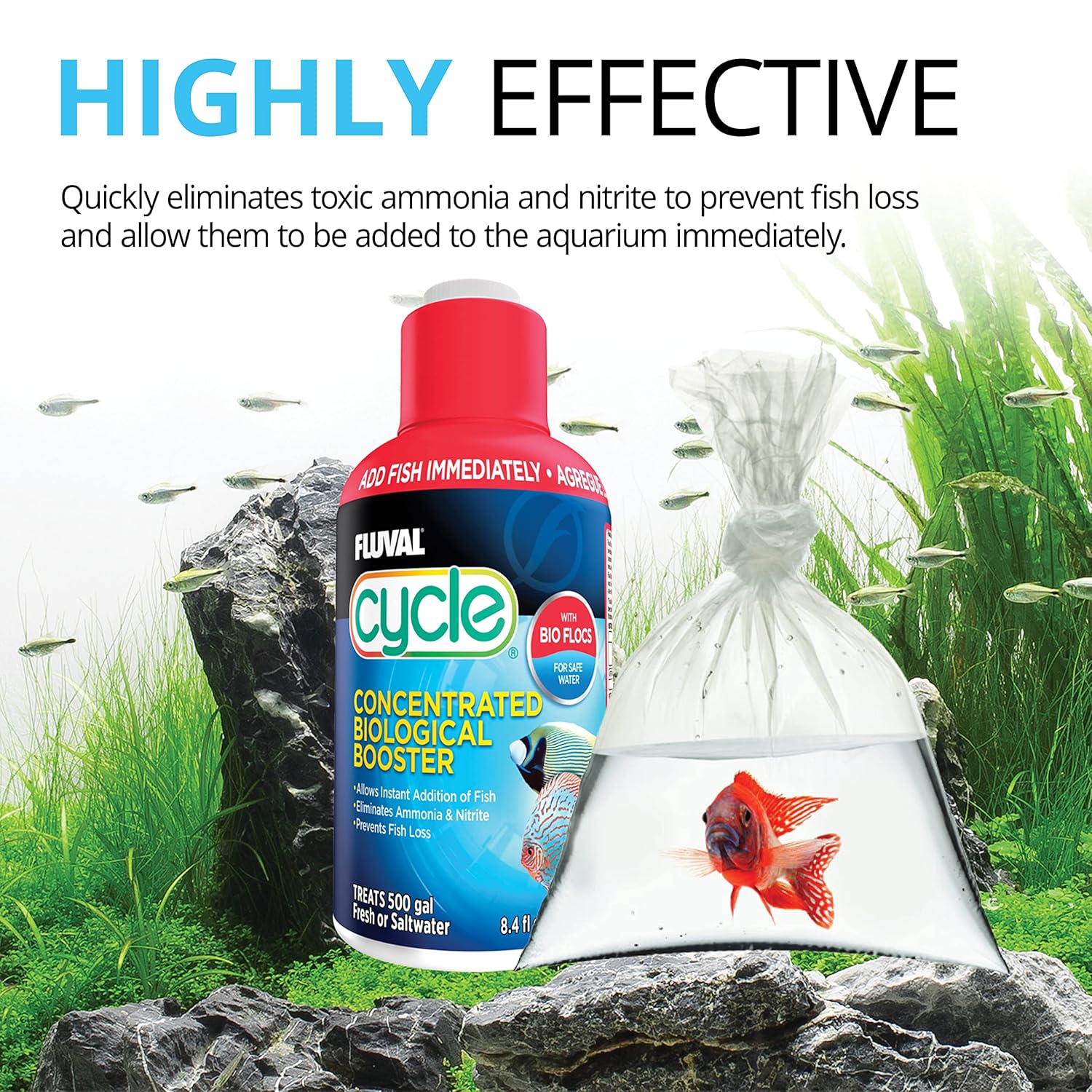
This is the most important step before adding fish. It’s the process of establishing those beneficial bacteria. You can “cycle” your tank by adding a source of ammonia and letting the filter run for 3-6 weeks, or by using a bottled bacteria starter. Never add fish to a brand-new, uncycled tank. Cycling helps remove harmful ammonia and nitrites that can kill fish.
A proper cycle usually takes:
- 2 to 6 weeks
5. Decor & Hiding Spots
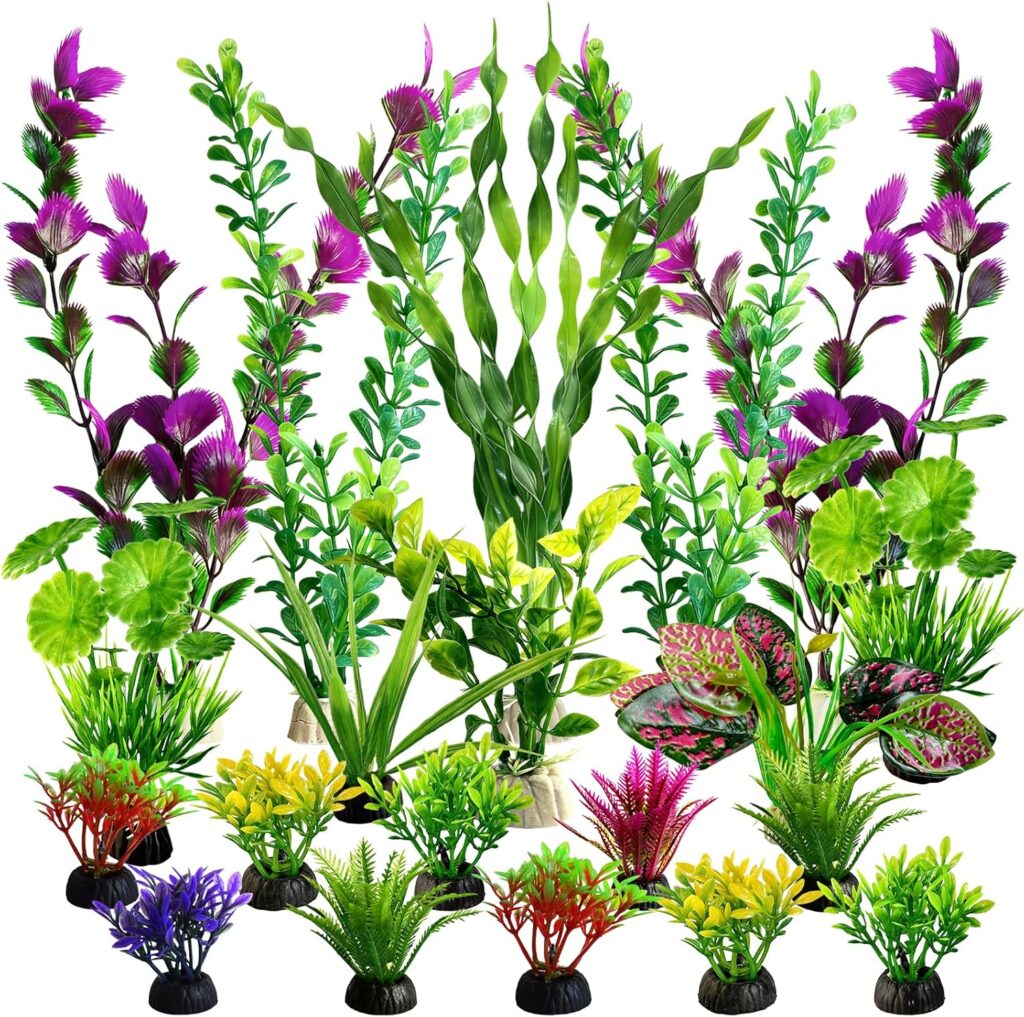
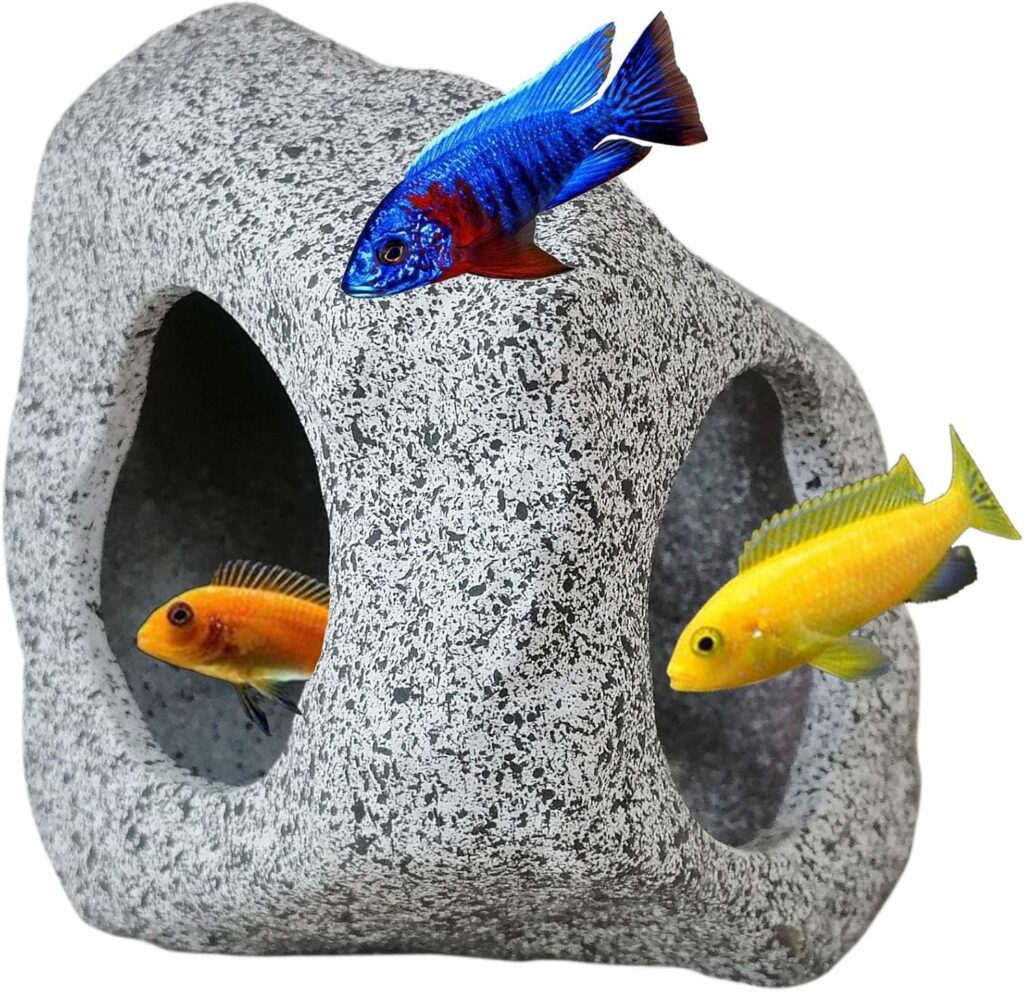
Fish need safety and stimulation. Use a layer of aquarium gravel, add real or silk plants, and include caves or driftwood. This reduces stress and makes your tank look like a natural home.
Best Plants for Freshwater Aquariums
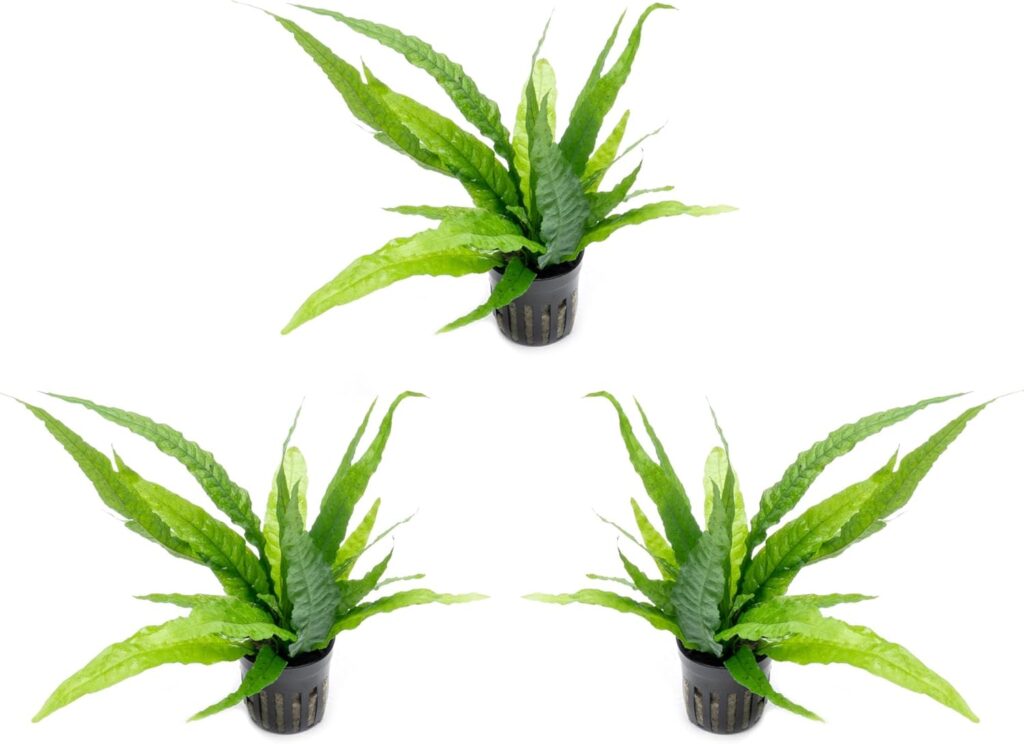
Live plants improve water quality and make tanks look natural.
Popular freshwater aquarium plants include:
- Java Fern
- Anubias
- Amazon Sword
- Hornwort
- Java Moss
Benefits of live plants:
- Add oxygen
- Reduce stress for fish
- Help control algae
What Do Freshwater Fish Eat?
Different fish species have different diets, but most freshwater fish eat:
- Fish flakes
- Pellets
- Frozen food
- Live food
- Vegetables
Feeding Tips
- Feed only what fish can eat in 2 minutes
- Avoid overfeeding
- Remove leftover food
Overfeeding is one of the biggest causes of dirty water and sick fish.
Common Freshwater Fish Diseases
Even healthy fish can sometimes get sick.
Common Fish Illnesses
Ich (White Spot Disease)
Symptoms:
- Tiny white spots
- Scratching against objects
Fin Rot
Symptoms:
- Damaged or torn fins
Swim Bladder Disease
Symptoms:
- Trouble swimming normally
How to Prevent Fish Diseases
- Keep water clean
- Avoid overcrowding
- Quarantine new fish
- Feed high-quality food
Healthy water conditions are the key to healthy fish.
Freshwater Fish Tank Maintenance Tips
Proper maintenance keeps your fish healthy and your aquarium crystal clear.
Weekly Maintenance Checklist
- Change 20–25% of the water
- Clean algae from glass
- Test water parameters
- Check filter performance
- Remove uneaten food
Consistency is more important than perfection.
Common Beginner Mistakes to Avoid
Many new fish owners accidentally make these mistakes:
1. Overfeeding
Too much food pollutes the water.
2. Overcrowding
Too many fish create stress and poor water quality.
3. Skipping the Nitrogen Cycle
Adding fish too early can be deadly.
4. Mixing Aggressive Fish
Some species do not get along.
5. Ignoring Water Changes
Clean water is essential for fish health.
Are Freshwater Fish Expensive?
Freshwater fishkeeping can fit almost any budget.
Basic Beginner Setup Cost in the USA
| Item | Average Cost |
|---|---|
| Aquarium Tank | $40–$150 |
| Filter | $20–$50 |
| Heater | $15–$40 |
| Fish Food | $5–$20 |
| Fish | $3–$30 each |
A beginner setup can start around $100–$200.
Final Thoughts
Freshwater fish are wonderful pets for beginners and experienced aquarium owners alike. With the right setup, clean water, and proper care, your fish can live healthy and happy lives for years.
Whether you choose colorful bettas, peaceful neon tetras, or playful guppies, freshwater aquariums can bring beauty and relaxation into your home.
Start simple, learn as you go, and enjoy the rewarding hobby of freshwater fishkeeping.
Frequently Asked Questions (FAQ)
Betta fish, guppies, and neon tetras are excellent beginner-friendly fish because they are hardy and easy to care for.
Most freshwater fish should be fed once or twice daily in small amounts.
It depends on the species. Some fish live 2–5 years, while goldfish can live over 10 years with proper care.
Tropical fish usually need heaters, while some cold-water fish like goldfish may not.
Yes, many freshwater fish can live together peacefully if they have compatible temperaments and water requirements.
Affiliate Disclosure: This post may contain affiliate links. If you click and make a purchase, we may earn a small commission at no extra cost to you. Thank you for supporting allpetcaretaker.com!
