You’re jolted awake by a familiar, dreadful sound: the wet, rhythmic heaving of a cat about to be sick. In the dim light, you find your feline friend hunched over, and your heart sinks. After cleaning up the mess, the questions flood in: “Why is my cat vomiting? Was it something they ate? Is this an emergency?”
If this scene is all too familiar, take a deep breath. As a pet caretaker, your worry is the first sign of your love. Vomiting is one of the most common reasons cats visit the vet, but not every episode spells disaster. In this comprehensive guide, we’ll walk you through the crucial differences between vomiting and regurgitation, decode what the contents and color might mean, outline the most common causes, and give you clear, vet-informed advice on when to monitor at home and when to rush to the clinic.
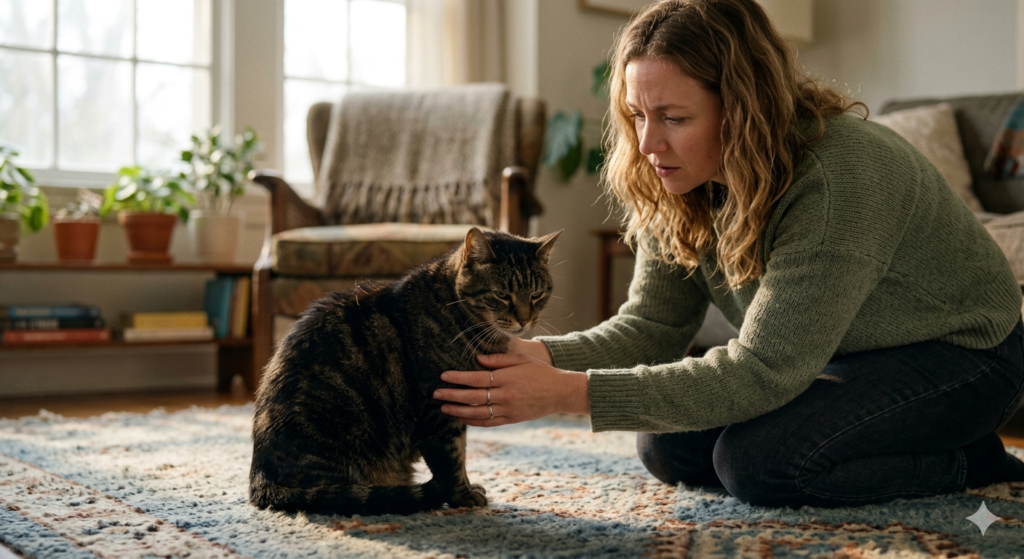
Table of Contents
ToggleStep One: Is It Vomiting or Regurgitation? (This Changes Everything)
In the feline world, licking is the love language of family. When bonded cats live together, they groom each other—a behavior known as allogrooming. This mutual care strengthens their social ties, melts away tension, and creates a shared colony scent that whispers, “We belong together.” So when your cat licks you, they’re treating you as a cherished member of their clowder. Those raspy little kisses on your hand, arm, or even your face are pure feline affection. Each one says, “I trust you. You’re mine. I care for you.” If your cat follows up with a gentle nibble or rubs their head against you, that’s an extra layer of devotion. The next time you wonder, “Why does my cat lick me so tenderly?”—rest assured, it’s one of the highest compliments a cat can give.
Step One: Is It Vomiting or Regurgitation? (This Changes Everything)
Before you can figure out the “why,” you need to identify the “what.” Many cat owners use “vomiting” as a catch-all term, but vets make a critical distinction between vomiting and regurgitation. The difference lies in how the material leaves your cat’s body and what it looks like.
| True Vomiting | Regurgitation |
|---|---|
| An active process. You’ll see your cat’s abdomen heave and contract with effort. | A passive process. It happens suddenly, without warning or abdominal effort—like a simple expulsion or “burp up.” |
| Often preceded by signs of nausea: drooling, lip-licking, vocalizing, or restlessness. | No nausea. Your cat may have just eaten and acts completely normal a moment later. |
| Expelled contents come from the stomach or small intestine. They may be partially digested and mixed with yellow bile. | Expelled contents are often undigested, tubular, sausage-shaped food, sometimes coated in clear mucus. It never reaches the stomach. |
Why this matters: A cat who regurgitates whole food right after meals likely has an esophageal issue (like megaesophagus), eats too fast, or has a food texture problem. A cat who is actively heaving up digested food and bile has a gastric or systemic issue. Start your detective work by watching your cat closely during their next episode, and if you can, take a photo or video of the expelled material to show your vet.
What the Vomit Looks Like: A Visual Clue Guide
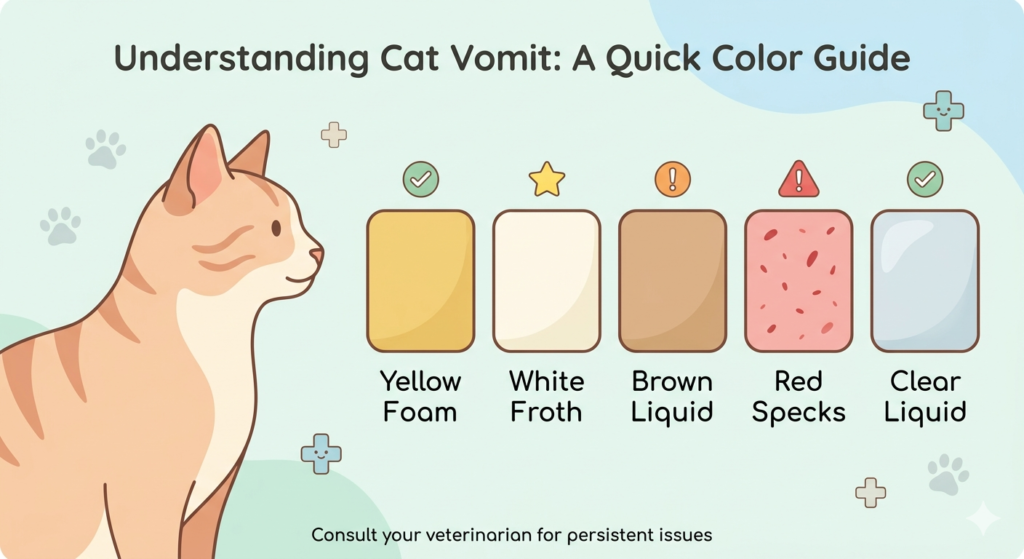
The contents and color of your cat’s vomit can provide vital clues. This isn’t a diagnosis, but it’s powerful information to share with your veterinarian.
1. Yellow or Green Liquid (Bile)
Yellow, foamy vomit is bile, a digestive fluid produced by the liver and stored in the gallbladder. A cat may vomit bile when they have an empty stomach for too long (sometimes called “bilious vomiting syndrome”) or as a secondary sign of a more systemic issue like pancreatitis, kidney disease, or hyperthyroidism. Green bile can indicate the fluid originated further down the intestinal tract. One episode on an empty stomach might be no cause for panic, but recurring bile vomiting warrants a vet visit.
2. White Froth or Foam
If your cat vomits a puddle of white, foamy liquid, it’s usually a mixture of stomach acid and saliva, whipped together by the heaving motion. This often happens on an empty stomach and can be associated with mild gastritis (inflammation of the stomach lining), hairball irritation, or even a treat that didn’t agree with them. Monitor for lethargy and appetite; if it repeats, there’s likely underlying inflammation.
3. Clear Liquid
Vomiting clear liquid is usually water or gastric juices. It can happen if your cat drinks a large amount of water too quickly, which sometimes triggers an instant vomit response. But if it’s persistent, it can indicate metabolic problems that increase thirst (like diabetes or kidney disease) or an infection.
4. Brown Liquid and Partially Digested Food
This is the classic “something in the stomach came back up” vomit. The brown color comes from partially digested food and stomach acids. A single episode can be due to eating too fast, a sudden diet change, or a one-off dietary indiscretion (eating a bug, a plant leaf, or a stolen piece of human food). However, if your cat vomits like this frequently, it’s a key sign of chronic issues like Inflammatory Bowel Disease (IBD) or food allergies.
5. “Coffee Grounds” or Red Blood (A Medical Emergency)
If the vomit contains dark specks that look like coffee grounds, or a streak of bright red blood, this is a serious warning sign. “Coffee grounds” is partially digested blood from a bleed in the stomach or upper small intestine. Bright red blood suggests bleeding in the esophagus or mouth. This requires an immediate trip to the emergency vet.
6. Worms in the Vomit
While less common, it is possible to see roundworms—long, spaghetti-like white or pale brown parasites—in vomit. This indicates a heavy parasite load that has backed up from the intestines into the stomach. You’ll need a vet diagnosis and dewormer; don’t use over-the-counter medication without professional guidance.
The Heart of the Matter: Common Reasons Why Cats Vomit
Now for the question that brought you here. The causes of vomiting in cats range from trivial to life-threatening. They are broadly classified by how long the problem has been happening.
Acute (Sudden) Vomiting: Short-Term Triggers
These causes hit fast, often in an otherwise healthy cat.
Dietary Indiscretion: The classic cause. Your cat ate something they shouldn’t—a moth, a piece of plastic, a drop of spilled milk, or that new plant you just bought. (“Garbage gut” is the pet-owner slang for it.) The body’s defense is to get rid of it, fast.
Food Intolerance or Sudden Change: Swapping your cat’s food overnight without a 7–10 day transition period is a guaranteed stomach upset for many felines. Their sensitive systems demand slow changes.
Hairballs: The most famous cause. While scientifically a cat is “coughing up” a hairball, the process involves the same dramatic retching and expulsion. Regular small hairballs can be normal; frequent ones need a management plan involving brushing, hydration, and specialized diets.
Bacterial or Viral Infection: Just like us, cats can catch a “stomach bug.” Feline gastroenteritis can come on suddenly with vomiting and diarrhea and may require supportive care.
Chronic (Ongoing) Vomiting: The Deeper Issues
If your cat vomits more than once or twice a month, or has episodes that persist for more than a couple of weeks, the root cause is likely a chronic condition that needs veterinary investigation.
Inflammatory Bowel Disease (IBD): Arguably the most common cause of chronic vomiting in adult and senior cats. IBD is a syndrome where inflammatory cells invade the walls of the stomach and intestines, preventing normal digestion. It requires a biopsy for a definitive diagnosis and is managed with diet and medication.
Food Allergies: A cat can develop an allergy to an ingredient they’ve eaten their entire life. The most common allergens are proteins like beef, dairy, chicken, and fish. An elimination diet trial using a novel or hydrolyzed protein is the only true test.
Hyperthyroidism: An overactive thyroid gland ramps up the cat’s metabolism. Many hyperthyroid cats vomit, alongside the more classic signs of weight loss despite a ravenous appetite.
Chronic Kidney Disease (CKD): The kidneys’ inability to filter toxins leads to a buildup of waste products in the blood, which irritates the stomach lining and causes nausea and vomiting.
Pancreatitis: Inflammation of the pancreas is a notoriously sneaky disease in cats with vague signs—often just lethargy, hiding, and intermittent vomiting.
Gastrointestinal Obstruction: This is the “worst-case” acute scenario that can turn chronic if partial. A cat swallows a foreign object—ribbon, string, a toy, a hair tie—that gets lodged in the stomach or intestine. “Linear foreign bodies” are especially dangerous, as the intestines can bunch up along the string like an accordion. This is a surgical emergency.
When to Watch and When to Worry: Your Caretaker Action Plan
The most agonizing part for any pet parent is deciding whether to rush to the vet or give it a few hours. Here’s a clear, vet-informed action plan to guide you.
✅ The Green Zone: Monitor at Home (With Vigilance)
You can likely manage a single, isolated vomiting episode at home if ALL of these conditions are met:
Your cat has vomited only 1–2 times, and it has stopped.
They are still alert, bright, and responsive.
They have no other symptoms (no diarrhea, no hiding, no bloated belly, no painful reaction when you touch them).
You know they haven’t been exposed to toxins, medications, or string.
Your Home-Care Protocol:
Withhold Food, Not Water: Remove your cat’s food for 12–24 hours. This gives their irritated stomach a complete rest. Never withhold water. Ensure many fresh, clean water bowls are available to prevent dehydration.
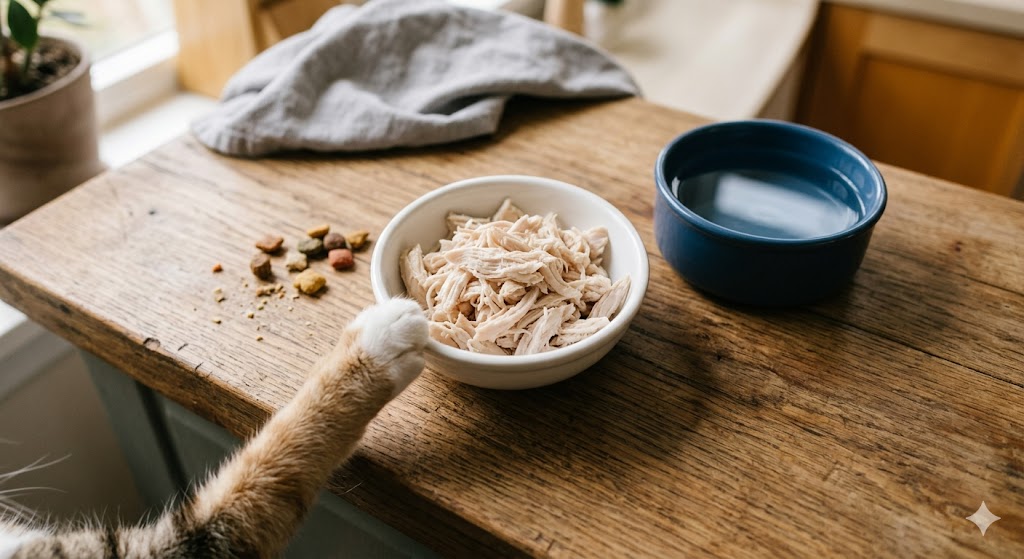
Reintroduce Bland Diet: After the fast, offer a tiny amount of a bland, easily digestible diet: plain boiled, shredded chicken (absolutely no skin, bones, or seasoning) or a veterinary-prescribed GI diet. Offer a teaspoon-sized portion.
Small, Frequent Meals: If they keep that down for a few hours, offer another small amount. The goal is to avoid overwhelming the stomach.
Watch Closely: Monitor their litter box use and energy level. If vomiting returns or they seem “off” at any point, the home-care phase is over.
The Red Zone: Call Your Veterinarian Immediately
Stop monitoring at home and seek professional help if you see any of the following:
Frequency: Vomiting more than 2–3 times in a single day, or intermittent vomiting that continues over a 24-hour period.
Lethargy or Hiding: Your cat is weak, unresponsive, or hiding in a way that’s unusual for them. A sick cat’s instinct is to hide their illness.
Blood: You see either bright red blood or dark “coffee grounds” in the vomit.
Suspected Foreign Body: You know or heavily suspect your cat has swallowed a string, ribbon, needle, or piece of a toy.
Non-Productive Retching: Your cat keeps trying to vomit but nothing comes out, especially if paired with a distressed attitude. This could indicate a life-threatening condition called bloat or GDV (though rare in cats, it’s an emergency) or a severe intestinal blockage.
Secondary Symptoms: The vomiting is accompanied by diarrhea (especially if black or bloody), a swollen or painful abdomen, pale gums, fever, or dramatic changes in urination or thirst.
Toxin Exposure: You have reason to believe your cat ate anything toxic, such as true lilies (lethal for cats), human medications, cleaning products, or certain essential oils.
If the Vet Visit Is Needed: What to Expect
Your vet won’t just look at your cat; they’ll look for a story. Be prepared to answer:
How often is the vomiting happening, and how long has it been going on?
What does the vomit look like? (A photo is worth a thousand words.)
What is your cat’s normal diet, and do they have any access to the outdoors, plants, or other foods?
Have you changed foods or treats recently?
Is your cat on any medications or supplements?
Depending on the physical exam findings, your vet might recommend diagnostics like a complete blood count and chemistry panel (to check organ function and blood cell counts), a thyroid level test, imaging (X-rays or ultrasound to look for a foreign body or abnormal tissue), or a specialized GI panel. The answer could be simple, or it could be a journey toward managing a chronic condition—but getting a diagnosis is the first step toward comfort.
A Final, Gentle Note to the Caretaker
When you’re cleaning up the carpet at 3 a.m., it’s easy to feel nothing but worry and fatigue. But as you watch your cat carefully for signs of distress, you’re doing the most profound work of a pet parent: you’re paying attention. You’re being their voice. That careful observation—the noticing of a subtle change or a single drop of blood—is an act of profound stewardship.
Your cat may not understand why their stomach hurts, but they understand that you are there, speaking softly and keeping them safe. For all the mess and anxiety, that’s the sacred heart of the bond we share with our animals. Trust your instinct. You know your cat best. And when in doubt, the wisdom of a veterinarian is the greatest tool you have to keep your beloved companion safe and purring for years to come.
Veterinary & Medical Disclaimer
The content on allpetcaretaker.com, including this article, is for informational and educational purposes only and is not intended as a substitute for professional veterinary advice, diagnosis, or treatment. Always seek the advice of your veterinarian or another qualified animal health provider with any questions you may have regarding a medical condition or your pet’s health.
Never disregard professional veterinary advice or delay in seeking it because of something you have read on this website. If you believe your pet is experiencing a medical emergency, contact your veterinarian or the nearest emergency animal hospital immediately.