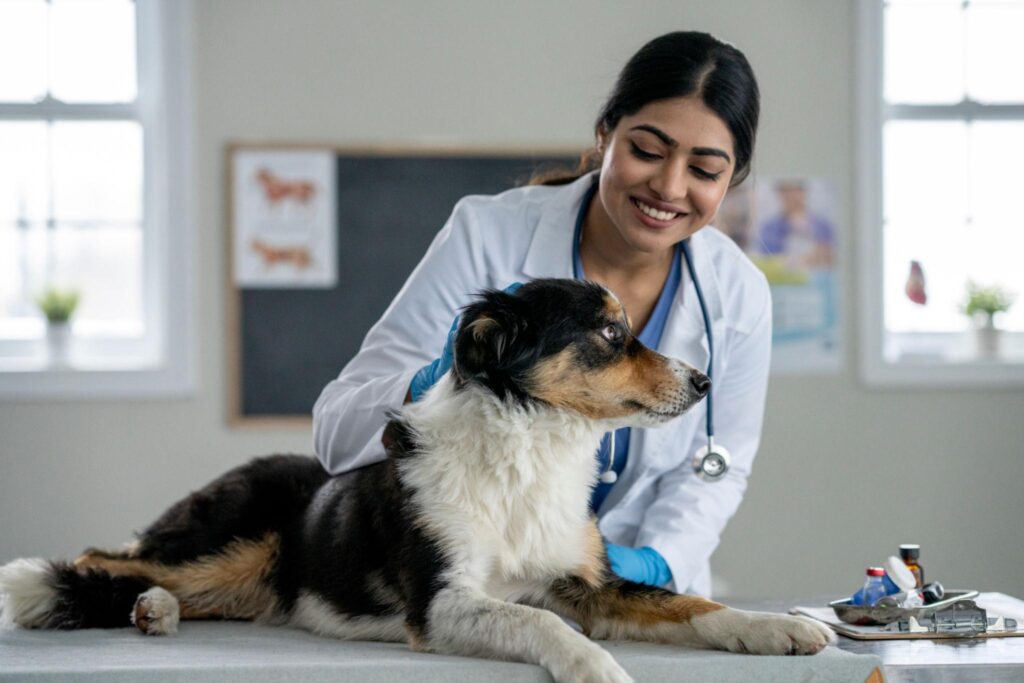
As dogs grow older, their physical and emotional needs change significantly. Senior dog care becomes essential at this stage, as older dogs require proper nutrition, regular health monitoring, and a comfortable environment to maintain their overall health and quality of life.
This guide will help you understand how to care for an aging dog and ensure they remain healthy, active, and happy in their later years.
When Is a Dog Considered Senior?
A dog is generally considered senior depending on its size and breed:
Small breeds: 8–10 years
Medium breeds: 7–9 years
Large breeds: 5–7 years
Larger dogs tend to age faster, so they may require senior care earlier.
Senior Dog Care: Proper Diet for Senior Dogs
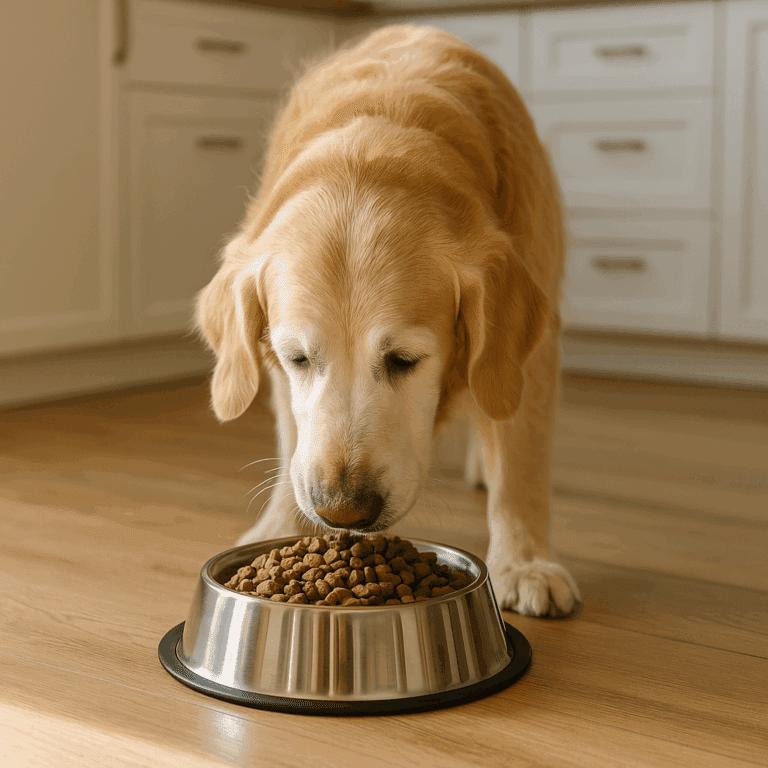
A well-balanced diet is essential for maintaining your dog’s health as they age.
Recommended diet includes:
High-quality protein to maintain muscle mass
Low-fat content to prevent obesity
Fiber to support digestion
Nutrients like glucosamine for joint health
Avoid:
Excess fatty foods
Highly processed meals
Overfeeding
Switching to specially formulated senior dog food can greatly improve digestion and overall health.
Exercise and Physical Activity
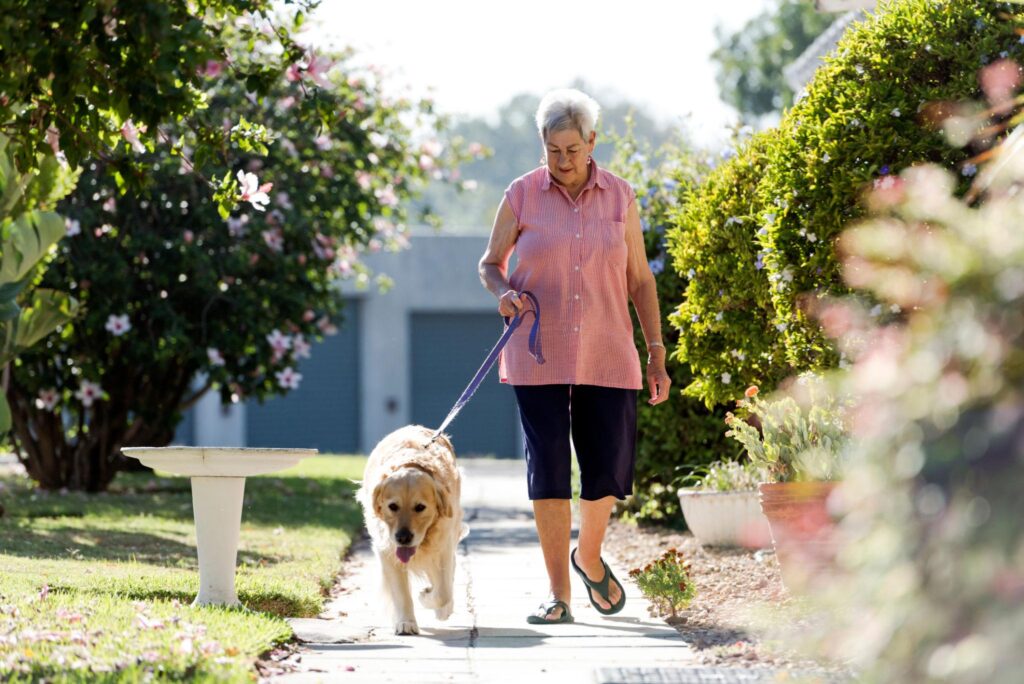
Regular physical activity remains important for senior dogs, but it should be moderate.
Suitable activities include:
Short daily walks
Light play sessions
Swimming (low-impact exercise)
Avoid intense or high-impact activities that may strain joints or muscles.
Creating a comfortable living space can significantly improve your dog’s quality of life.
Provide an orthopedic or soft bed
Keep floors non-slippery
Ensure easy access to food and water
Maintain a warm and quiet resting area
Regular Veterinary Checkups
Senior dogs should visit a veterinarian at least twice a year.
Routine checkups help detect conditions such as:
Arthritis
Dental disease
Heart problems
Diabetes
Early diagnosis can prevent serious complications and reduce treatment costs.
Grooming and Hygiene
Maintaining hygiene becomes increasingly important as dogs age.
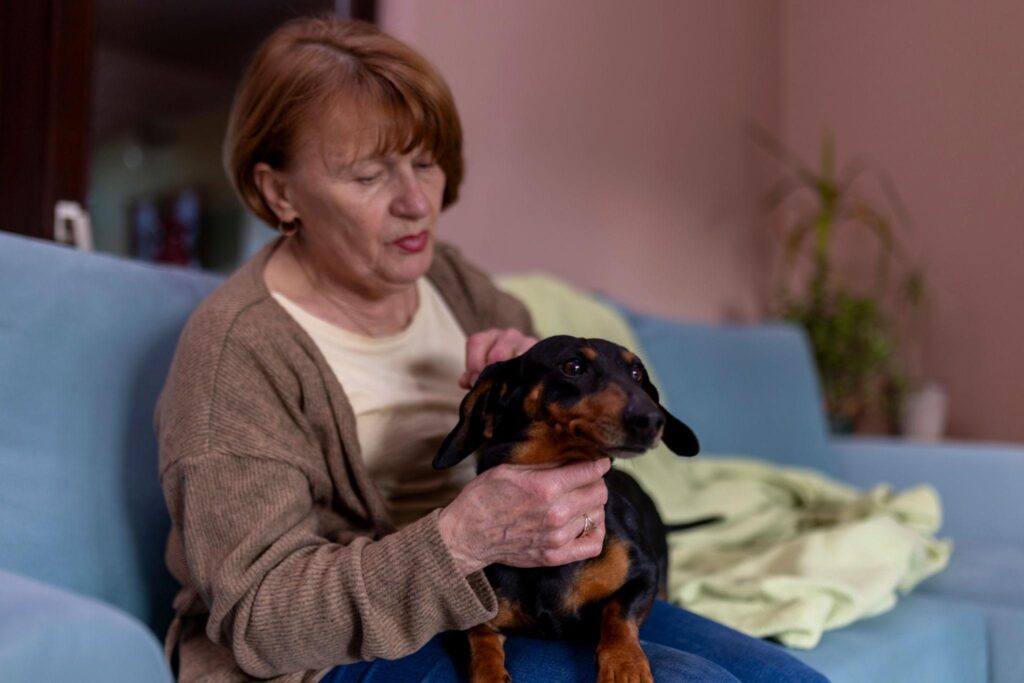
Brush their coat regularly
Trim nails carefully
Clean ears and check for infections
Maintain dental hygiene
Gentle grooming helps prevent discomfort and infections.
Common Signs of Health Issues
Be alert to any changes in your dog’s behavior or health, such as:
Loss of appetite
Difficulty walking or stiffness
Increased sleeping
Behavioral changes
If you notice any of these signs, consult a veterinarian promptly.
Emotional Care and Attention
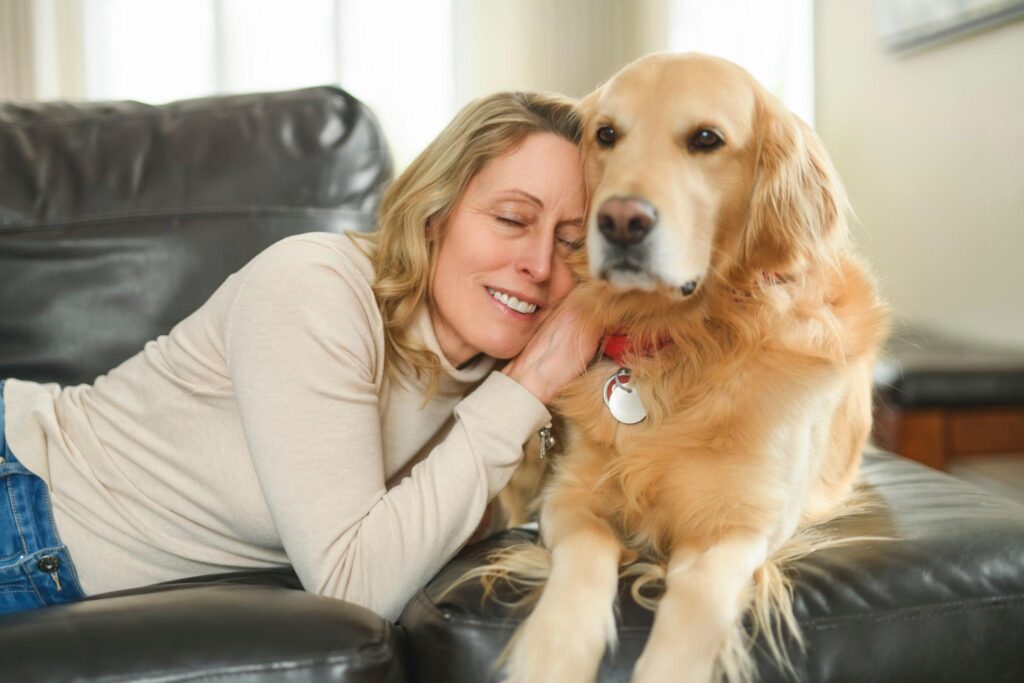
Emotional well-being is just as important as physical health.
Spend quality time with your dog
Maintain a consistent routine
Provide a calm and stress-free environment
Strong emotional support helps improve your dog’s overall well-being and longevity.
Caring for a senior dog requires patience, attention, and commitment. By providing a balanced diet, regular exercise, proper medical care, and emotional support, you can ensure your dog lives a comfortable and fulfilling life in their later years.
Your care and companionship make a significant difference in their happiness and health.
Vivek Kumar is a pet care writer and blogger who shares practical and easy-to-understand information about dogs, cats, and other pets. His goal is to help pet parents provide happier and healthier lives for their pets.