If your pet is constantly scratching and giving off an unpleasant odor, you’re not alone. Dog itching and bad smell are two of the most common problems pet owners face. These issues may seem simple, but they can indicate underlying skin, diet, or health problems. Understanding the real causes and taking the right steps can help your dog feel comfortable, healthy, and fresh.
What Does Dog Itching and Bad Smell Mean?
When dog itching and bad smell occur together, it usually means:
There is irritation on the skin
Bacteria or yeast are multiplying
The dog may have allergies or infections
Grooming or diet may need improvement
This guide explains all major causes, treatments, home remedies, and prevention methods.
Main Causes of Dog Itching and Bad Smell
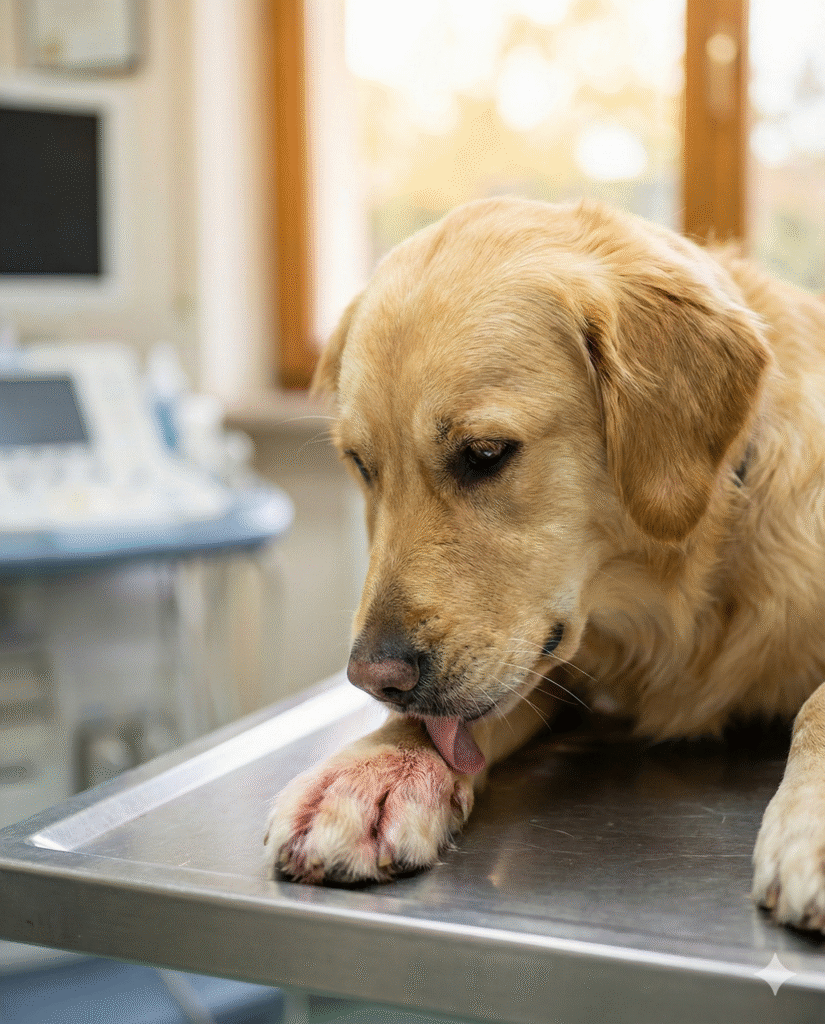
1. Allergies (Food, Seasonal or Environmental)
Allergies are one of the biggest triggers of dog itching and bad smell.
Symptoms include:
Red or inflamed skin
Constant scratching
Licking paws
Frequent ear infections
Greasy or flaky coat
Allergens like dust, pollen, chicken, beef, or grains can trigger skin reactions and odor.
2. Yeast Infection (Malassezia)
Yeast thrives in moist areas and produces a strong, musty smell.
Signs of yeast infection:
Cheesy or sweet-smelling odor
Brown discharge in ears
Greasy or flaky skin
Thickened skin
Intense scratching
This is one of the top reasons for dog itching and bad smell in folds, paws, and ears.
3. Bacterial Skin Infection (Pyoderma)
If a dog keeps scratching, the broken skin becomes infected.
Symptoms:
Pus-filled bumps
Red patches
Hair loss
Strong foul odor
This requires proper cleaning and sometimes veterinary antibiotics.
4. Fleas, Ticks & Mites
Parasites cause allergic reactions that lead to extreme itching and odor.
Signs include:
Visible fleas or flea dirt
Bald patches
Red bumps
Scabs and sores
Untreated fleas often result in secondary skin infections and smell.
5. Poor Grooming or Infrequent Bathing
Skipping grooming can cause:
Dirt buildup
Excess oil
Dry skin
Bad odor
But over-bathing can also cause dryness, leading to more itching.
6. Ear Infections
A dog with ear infections may release a strong, yeasty smell.
Symptoms:
Yellow or brown discharge
Scratching ears
Shaking head
Swelling or redness
Ear infections are common in dogs with allergies or floppy ears.
7. Anal Gland Issues
Anal gland problems cause a fishy, foul smell from the rear end.
Signs:
Scooting
Licking under the tail
Sudden bursts of strong odor
8. Poor Diet
Low-quality food leads to:
Dry skin
Excess oil
Smelly coat
Frequent itching
Omega-3 deficiency also triggers skin irritation.
Home Remedies for Dog Itching and Bad Smell
These simple remedies can help, but should not replace medical treatment for serious infections.
1. Oatmeal Bath
Soothes dry and itchy skin.
Grind oats
Mix with warm water
Let your dog soak 10–15 minutes
2. Medicated Shampoo (Chlorhexidine / Ketoconazole)
Great for yeast and bacterial infections.
Use once every 7–14 days.
3. Coconut Oil
Apply a thin layer to moisturize dry or irritated skin.
4. Apple Cider Vinegar Spray (Diluted)
Helps with mild yeast and bacteria.
Mix 50% ACV + 50% water
(Do not use on open wounds.)
5. Regular Brushing
Reduces odor, removes dead skin, and improves coat health.
Best Diet for Reducing Dog Itching and Bad Smell

To improve skin health from the inside, feed:
High-quality protein
Grain-free or hypoallergenic kibble (if allergies suspected)
Omega-3 rich food (salmon, fish oil)
Probiotics
Fresh veggies
A good diet helps reduce inflammation, odor, and infections.
When Should You Visit a Vet?
Seek veterinary help if:
Itching lasts more than 3–5 days
The smell becomes very strong
There are wounds, scabs, or pus
Your dog shows bald patches
Ear discharge has a bad odor
The dog is restless, tired, or in pain
Persistent dog itching and bad smell often indicate underlying infections or allergies that need medical care.
How to Prevent Dog Itching and Bad Smell
Bathe your dog every 2–4 weeks
Use dog-specific shampoo
Clean ears weekly
Keep bedding washed
Use flea and tick prevention
Brush coat 2–3 times weekly
Keep skin folds dry
Maintain a healthy, balanced diet
Regular grooming and nutrition are the biggest keys!
❓ FAQ About Dog Itching and Bad Smell
Usually due to yeast infection, allergies, or bacterial issues.
Antifungal and antibacterial shampoos like chlorhexidine or ketoconazole.
Yes, mild cases improve with oatmeal baths, ACV spray, and coconut oil.
Yes. Food allergies and low-quality diets commonly trigger skin problems.
A sweet, musty, or cheesy smell—often very strong.
Final Thoughts
Dog itching and bad smell are not normal and usually suggest skin irritation, allergies, infections, or diet issues. With the right treatment, grooming routine, and nutrition, your dog can feel fresh, clean, and healthy again.
